Friday, November 11, 2011

ಕೆಂಪುಕೋಟೆ ತಂಡದಿಂದ ದೆಹಲಿಯಲ್ಲಿ "ಮೆಸೇಜ್ ಬಂತು" ರಂಗ ಪ್ರಯೋಗ

ಕೆಂಪುಕೋಟೆ ತಂಡವು ದೆಹಲಿಯಲ್ಲಿ ಇದೇ ನವಂಬರ್ 13ರ ಭಾನುವಾರ ಸಂಜೆ ಆರೂವರೆ ಗಂಟೆಗೆ ದೆಹಲಿ ಕರ್ನಾಟಕ ಸಂಘದ ಸಭಾಂಗಣದಲ್ಲಿ "ಮೆಸೇಜ್ ಬಂತು" ಎಂಬ ರಂಗ ಪ್ರಯೋಗವನ್ನು ಮಾಡಲಿದೆ.

ಹಳ್ಳಿಯ ಯುವಕನೊಬ್ಬನಿಗೆ ಸ್ನೇಹ ಪ್ರೀತಿ ತುಂಬಿದ ಮೊಬೈಲ್ ಮೆಸೇಜ್‌ಗಳು ಬರುತ್ತಿರುತ್ತವೆ. ಊರಿನ ಹುಡುಗರಿಗೆ ಅದೊಂದು ಮೋಜಿನ ವಿಷಯವಾದರೆ ಆ ಯುವಕನು ಮೆಸೇಜ್‌ಗಳ ಮೂಲಕ ಪ್ರೇಮಲೋಕದ ಕನಸನ್ನು ನೇಯುತ್ತಾನೆ. ಅದೇ ಹಳ್ಳಿಯಲ್ಲಿ ಉದ್ಯಮಿಯೊಬ್ಬ ಒಂದು ಬೃಹತ್ ಫ್ಯಾಕ್ಟರಿಯನ್ನು ಸ್ಥಾಪಿಸಲು ಯೋಚಿಸುತ್ತಾನೆ. ಫ್ಯಾಕ್ಟರಿ ಬಂದರೆ ವಿದ್ಯೆ ಕಲಿತ ಯುವಕರಿಗೆ ಅದೇ ಹಳ್ಳಿಯಲ್ಲಿ ಕೆಲಸ ದೊರೆತು ಅವರು ಅಲ್ಲಿಯೇ ನೆಲೆಸಬಹುದು ಎಂಬ ಆಸೆ ಒಂದೆಡೆ. ಆ ಊರಿನ ಫಲವತ್ತಾದ ಕೃಷಿ ಭೂಮಿ ನಾಶವಾಗುವುದೋ ಎಂಬ ಆತಂಕ ಇನ್ನೊಂದೆಡೆ. ಇತ್ತ ಹಳ್ಳಿಯ ಯುವಕನು ತನಗೆ ಮೆಸೇಜ್ ಕಳುಹಿಸಿದ ಕನಸಿನ ಕನ್ಯೆಯನ್ನು ಭೇಟಿಯಾಗುವ ಸಂಭ್ರಮದಲ್ಲಿದ್ದರೆ ಊರವರು ತಮ್ಮೂರಿಗೆ ಕವಿದ ಕಾರ್ಮೋಡ ಹೇಗೆ ಮಳೆಯಾಗಿ ಹರಿಯುವುದು ಎಂಬುದನ್ನು ಕಾಯುತ್ತಾರೆ.

ಜನವರಿ 2011 ರಲ್ಲಿ ಆರಂಭವಾದ ಕೆಂಪುಕೋಟೆ ಬ್ಲಾಗ್ ದೆಹಲಿಯಲ್ಲಿ ನಡೆಯುತ್ತಿರುವ ಕನ್ನಡದ ಕ್ರಿಯಾಶೀಲತೆಯನ್ನು ಅಂತರ್ಜಾಲ ಲೋಕದಲ್ಲಿ ಪರಿಚಯಿಸುವ ಕೆಲಸ ಮಾಡುತ್ತಿದೆ. "ಮೆಸೇಜ್ ಬಂತು" ಕೆಂಪುಕೋಟೆ ತಂಡದ ಮೊದಲ ರಂಗ ಪ್ರಯೋಗವಾಗಿದೆ.

ಅನಿತಾ, ಅವನೀಂದ್ರನಾಥ್ ರಾವ್, ಗುರುರಾಜ ಚೆಂಡೂರ್, ಪ್ರವೀಣ್ ಕುಮಾರ್, ಪ್ರಕಾಶ್ ಶೆಟ್ಟಿ ಉಳೆಪಾಡಿ, ಪುರುಷೋತ್ತಮ ಬಿಳಿಮಲೆ, ರಾಘವೇಂದ್ರ ಗುಡಿ, ರಾಕೇಶ್ ಎನ್.ಎಸ್., ಸ್ವಾತಿ, ಸಾಮ್ರಾಟ್ ಗೌಡ ಮೊದಲಾದವರು ಅಭಿನಯಿಸುವ ಈ ಪ್ರಯೋಗವನ್ನು ಬಾಲಕೃಷ್ಣ ನಾಯ್ಕ್ ಡಿ. ಅವರು ಬರೆದು ನಿರ್ದೇಶಿಸುತ್ತಾರೆ.

Thursday, November 10, 2011

ದೆಹಲಿಯಲ್ಲಿ ಎಚ್.ಎಸ್.ವೆಂಕಟೇಶಮೂರ್ತಿ

ದೆಹಲಿಯಲ್ಲಿ ವರಕವಿ ದ.ರಾ.ಬೇಂದ್ರೆ  ನೆನಪು ಕಾರ್ಯಕ್ರಮವನ್ನು ಉದ್ಘಾಟಿಸಿದ  ಡಾ. ಎಚ್.ಎಸ್. ವೆಂಕಟೇಶಮೂರ್ತಿ
ಜತೆಯಲ್ಲಿ ಪ್ರೊ. ಎಚ್. ಎಸ್. ರಾಘವೇಂದ್ರ ರಾವ್, ಡಾ. ವೆಂಕಟಾಚಲ ಹೆಗ್ಡೆ, ಎಚ್. ಚಂದ್ರಶೇಖರ ಕೆದಿಲಾಯ

Monday, November 7, 2011

ಮೆಸೇಜ್ ಬಂತು


ಕೆಂಪುಕೋಟೆ ತಂಡದಿಂದ "ಮೆಸೇಜ್ ಬಂತು" ನಾಟಕ ತಯಾರಾಗುತ್ತಿದೆ.
ಬಾಣಸಿಗ ಪ್ರಕಾಶ್ ಶೆಟ್ಟಿ ಉಡುಪಿಯಿಂದ ಅಡುಗೆಯವರನ್ನು ಕರೆತರುವವರಿದ್ದಾರೆ
ಅನಿತಾ ಹಪ್ಪಳ ಸುಡಲು ಸ್ಟವ್ ಹಚ್ಚುತ್ತಿದ್ದಾಳೆ
ಅವನೀಂದ್ರರು ಯಾವ ಹೊಸ ಮೊಬೈಲು ತೆಗೆದುಕೊಂಡರೆ ಒಳ್ಳೆಯದು ಎಂದು ಕೇಳುತ್ತಿದ್ದಾರೆ
ರಾಕೇಶ ಮಾತ್ರ ನಾಪತ್ತೆಯಾಗಿದ್ದಾನೆ, ದಿನಾ ಪ್ರಾಕ್ಟಿಸಿಗೂ ಬಾರದೇ ದಿಲ್ಲಿಯ ಹುಡುಗಿ ಜತೆ ಮಾಲ್ ತಿರುಗಾಡುತ್ತಿದ್ದಾನೆ
ಗುರುರಾಜ ಆಫೀಸಿಗೆ ರಜೆ ಹಾಕಿ ಡಯಲಾಗ್ ಓದುತ್ತಿದ್ದಾರೆ
ಸ್ವಾತಿ ಯಾವ ಸೀರೆ ಯಾವ ಜುಮ್ಕಿ ಹಾಕಿದರೆ ’ನಾಟಕ’ದವರ ಹಾಗೆ ಕಾಣಬಹುದು ಎಂದು ಕೇಳುತ್ತಿದ್ದಾಳೆ
ಸೌಜನ್ಯ ನನಗೆ ಇಷ್ಟು ಡಯಲಾಗ್ ಯಾಕೆ ಕೊಟ್ಟಿದ್ದೀರಿ ಎಂದು ಕಾಡಿಸುತ್ತಾಳೆ
ರಾಘವೇಂದ್ರ ನಿದ್ದೆಯಲ್ಲೂ ಮೆಸೇಜ್ ಬಂತಾ ಎಂದು ಕೇಳುತ್ತಿದ್ದಾನೆ
ಪ್ರದೀಪ ಸ್ಟೇಜ್‍ಗೆ ರಿಕ್ಷಾ ತರಲಿಕ್ಕೆ ಆಗ್ತದಾ ಅಂತ ಪ್ಲಾನ್ ಮಾಡ್ತಾನೆ
ಸಾಮ್ರಾಟ್ ಬ್ರೇಕ್, ರಾಕ್ ಡ್ಯಾನ್ಸ್ ಎಂದು ಕಾಲು ಸೊಂಟ ನೋವು ಮಾಡಿಸಿಕೊಂಡಿದ್ದಾನೆ
ಚಿನುಮಯ ಈ ನಾಟಕಕ್ಕಿಂತ ಪರೀಕ್ಷೆಗೆ ಓದುವುದೇ ಈಸಿ ಎನ್ನುತ್ತಾನೆ
ಸಚಿನ್ ಪ್ರಾಕ್ಟಿಸಿಗೆ ಕರೆದರೆ ಎಲ್ಲರಿಗಿಂತ ಮುಂಚೆ ನಾನೇ ಬರುವುದು ಹಾಗಾಗಿ ನಾನು ಮೊದಲು ಹೋಗ್ತೇನೆ ಅಂತ ಹೇಳ್ತಾನೆ
ಬಿಳಿಮಲೆಯವರು ರಾಜ್ಯೋತ್ಸವ ಪ್ರಶಸ್ತಿ ಸಿಕ್ಕಿದ ಮೇಲೆ ನನಗೆ ಯಾವುದರಲ್ಲೂ ಆಸಕ್ತಿ ಇಲ್ಲ; ಈ ಹುಡುಗರ ಜತೆ ಸೇರಿ ಸುಮ್ಮನೆ ಟೈಮ್ ವೇಸ್ಟ್ ಅಂತಿದ್ದಾರೆ
ನಾನು ಮಾತ್ರ ನಾಟಕ ಮಾಡುವುದು ಹೇಗೆ ಎಂಬುದಕ್ಕಿಂತ ಹೆಚ್ಚು, "ಪ್ರಚಾರ" ಮಾಡುವುದು ಹೇಗೆ ಅಂತ ಪ್ಲಾನ್ ಮಾಡ್ತಿದ್ದೇನೆ!
ಅಂದ ಹಾಗೆ ನೀವೆಲ್ಲ ಬರದಿದ್ದರೆ ನಾವು ಏನು ಮಾಡಿದೆವು ಅಂತ ಯಾರಿಗೂ ಗೊತ್ತಾಗದು!!
ಬರುವ ಭಾನುವಾರ ಸಂಜೆ ಆರೂವರೆಗೆ ಸಂಘದ ಸಭಾಂಗಣ - ಸಿಕ್ಕಿದರೆ ನೋಡುವ. 

Friday, November 4, 2011

ದೆಹಲಿಯಲ್ಲಿ ಅಬ್ದುಲ್ ರಶೀದ್

ಈ ವಾರಾಂತ್ಯದಲ್ಲಿ ದೆಹಲಿಯಲ್ಲಿ ಕನ್ನಡ ಸಾಹಿತಿಗಳಾದ ಡಾ. ಎಚ್.ಎಸ್. ವೆಂಕಟೇಶಮೂರ್ತಿ, ಪ್ರೊ. ಓ ಎಲ್. ನಾಗಭೂಷಣಸ್ವಾಮಿ, ಪ್ರೊ. ಎಚ್.ಎಸ್. ರಾಘವೇಂದ್ರ ರಾವ್, ಶ್ಯಾಮ ಸುಂದರ ಬಿದರಕುಂದಿ, ಬಸವರಾಜ ಕಲ್ಗುಡಿ, ಧರಣೀಂದ್ರ ಕುರಕುರಿ, ಸರ್ಫ್ರಾಜ್ ಚಂದ್ರಗುತ್ತಿ,  ಮೊದಲಾದವರು ಸೇರಲಿದ್ದಾರೆ.
ನಿನ್ನೆ (ನವಂಬರ್ 3 ರಂದು) ದೆಹಲಿಗೆ ಆಗಮಿಸಿದ ಅಬ್ದುಲ್ ರಶೀದ್ ಜತೆ ಡಾ. ಎಚ್.ಎಸ್. ವೆಂಕಟೇಶಮೂರ್ತಿ, ಡಾ. ಪುರುಷೋತ್ತಮ ಬಿಳಿಮಲೆ ಅನೌಪಚಾರಿಕವಾಗಿ ಮಾತುಕತೆ ನಡೆಸಿದರು.

ದೆಹಲಿಯಲ್ಲಿ ಸಾಹಿತಿಗಳು:
ಬಲದಿಂದ ಕವಿ ಎಚ್.ಎಸ್. ವೆಂಕಟೇಶಮೂರ್ತಿ, ಅಬ್ದುಲ್ ರಶೀದ್, ಕೆ.ಎಸ್.ಜಿ ಶೆಟ್ಟಿ,
ಡಾ. ಪುರುಷೋತ್ತಮ ಬಿಳಿಮಲೆ ಮತ್ತು ವೈ. ಅವನೀಂದ್ರನಾಥ್ ರಾವ್

Abdul Rashid, a programme executive in Madikeri Akashwni (Radio Station) participated in Asia Pacific Broadcasting Union (ABU) international convention held  in New Delhi from November 2 to 3, 2011.
There were 58 countries represented here through their representatives working in Radio and Television mass media. Rashid presented his views on what listeners want from local Radio Centre where he works.
In Madikeri Rashid conducts Kaveri Express programme and rural Akshvani items, which are gaining popularity, steadily.
Rashid has worked in Mangalore, Shillong (Assam), Mysore and Gulbarga centres in Karnataka. He has been to Ireland near UK, to produce a documentary (Radio) aided by England’s Thomsan Foundation.
He is also the person behind popular Kannada portal Kendasampige.

Mohair's Diary : Democracy enables Citizens


ವರಕವಿ ದ.ರಾ. ಬೇಂದ್ರೆ ನೆನಪು : ನವಂಬರ್ 5-6, 2011 ದೆಹಲಿಯಲ್ಲಿ


Tuesday, November 1, 2011

ಕರ್ನಾಟಕ ರಾಜ್ಯೋತ್ಸವದ ಹಾರ್ದಿಕ ಶುಭಾಶಯಗಳು


ಬಳಸಿ ಬಂದೆನು ಸುತ್ತ ಕನ್ನಡದ ನಾಡುಗಳ ಸಿರಿಯ ನೋಡುತ್ತ,
ತಾಯಡಿಯ ಹುಡಿಯ ತಲೆಗಾನುತ್ತ, ಹರಕೆಯ ಪವಿತ್ರ ಯಾತ್ರೆಯಲಿ
ಏನು ಚೆಲಿವಿನ ನಾಡು! ಚೆಲುವು ಚೆಲ್ಲುವ ನಾಡು! ಕನ್ನಡದ ನಾಡು
ಏನು ಚಿನ್ನದ ನಾಡು! ನಮ್ಮೊಲುಮೆಯಾ ನಾಡು! ನಮ್ಮಿನಿಯ ನಾಡು!
ಕಾವೇರಿಯಿಂದಮಾ ಗೋದಾವರಿಯ ವರೆಗೆ ಚಾಚಿರುವ ನಾಡು!
ಬಳಸಿದೆನು, ಸುತ್ತಿದೆನು,ಕಣ್ದಣಿಯೆ ನೋಡಿದೆನು, ಕುಣಿದು ಹಾಡಿದೆನು:
 - ಬಿಎಂಶ್ರೀ ಅವರ ಕನ್ನಡ ತಾಯ ನೋಟ ಕವನದಿಂದ

ವಿಶ್ವದೆಲ್ಲೆಡೆ ಹಬ್ಬಿರುವ ಕನ್ನಡದ ಮನಸ್ಸುಗಳಿಗೆ ಕರ್ನಾಟಕ ರಾಜ್ಯೋತ್ಸವದ 
ಹಾರ್ದಿಕ ಶುಭಾಶಯಗಳು.

Sunday, October 30, 2011

ಡಾ. ಪುರುಷೋತ್ತಮ ಬಿಳಿಮಲೆ ಅವರಿಗೆ ರಾಜ್ಯೊತ್ಸವ ಪ್ರಶಸ್ತಿ

ಕೆಂಪುಕೋಟೆ ಬ್ಲಾಗಿನ ಸ್ಪೂರ್ತಿ, ಬೆಂಬಲಿಗ ಡಾ. ಪುರುಷೋತ್ತಮ ಬಿಳಿಮಲೆಯವರಿಗೆ ಕರ್ನಾಟಕ ರಾಜ್ಯೋತ್ಸವ ಪ್ರಶಸ್ತಿ ಇಂದು ಘೋಷಣೆ ಯಾದೊಡನೆ ನಮ್ಮ ತಂಡ ಅವರನ್ನು ಅವರ ದೆಹಲಿಯ ವಸಂತ ಕುಂಜ್ ಮನೆಯಲ್ಲಿ ಅಭಿನಂದಿಸಿತು.
 ಆ ಕ್ಷಣಗಳ ಕೆಲವು ಚಿತ್ರಗಳು.
ಡಾ. ಪುರುಷೋತ್ತಮ ಬಿಳಿಮಲೆ ಅವರಿಗೆ ರಾಜ್ಯೋತ್ಸವ ಪ್ರಶಸ್ತಿ ಸಿಕ್ಕ ಸಂದರ್ಭದಲ್ಲಿ
 ಅಭಿನಂದನೆಗಳ ಸುರಿಮಳೆ
 

ಡಾ. ಪುರುಷೋತ್ತಮ ಬಿಳಿಮಲೆ ಅವರಿಗೆ ರಾಜ್ಯೋತ್ಸವ ಪ್ರಶಸ್ತಿ ಸಿಕ್ಕ ಸಂದರ್ಭದಲ್ಲಿ
ಇಂಟರ‍್ ನೆಟ್ ನಲ್ಲೂ  ಅಭಿನಂದನೆಗಳ ಸುರಿಮಳೆ
 

ಡಾ. ಪುರುಷೋತ್ತಮ ಬಿಳಿಮಲೆ ಅವರಿಗೆ ರಾಜ್ಯೋತ್ಸವ ಪ್ರಶಸ್ತಿ ಸಿಕ್ಕ ಸಂದರ್ಭದಲ್ಲಿ
ಮಾಧ್ಯಮಗಳಿಗಾಗಿ ಒಂದು ಪೋಸ್

ಡಾ. ಪುರುಷೋತ್ತಮ ಬಿಳಿಮಲೆ ಅವರಿಗೆ ರಾಜ್ಯೋತ್ಸವ ಪ್ರಶಸ್ತಿ ಸಿಕ್ಕ ಸಂದರ್ಭದಲ್ಲಿ
ಮಾಧ್ಯಮಗಳಿಗಾಗಿ ಮತ್ತೊಂದು ಪೋಸ್
 
ನಿರ್ಲಿಪ್ತತೆ 

ಪ್ರಶಸ್ತಿ ದೊರತ ಸುದ್ದಿ ತಿಳಿದೊಡನೆ ಧಾವಿಸಿದ ಗೆಳೆಯರ ಜತೆ 


ಅಂತರ್ಜಾಲದಲ್ಲಿ ಅಭಿನಂದನೆಗಳು

ಅಭಿನಂದನೆ ಸಾರ್!

ಫೋನ್ ಕಾಲ್ ಗಳ ನಡುವೆಯೂ ನಿರಂತರ ಚಿಂತನೆ

ಮೆಸೇಜ್ ಬಂತು!

ಸಂಭ್ರಮ ... ಸಲ್ಲಾಪ

ಪ್ರಶಸ್ತಿ ದೊರತ ಸುದ್ದಿ ತಿಳಿದೊಡನೆ ಧಾವಿಸಿದ ಗೆಳೆಯರ ಜತೆ

Friday, October 28, 2011

Teen Behenein


School of Arts and Aesthetics
Jawaharlal Nehru University 
Presents
Teen Behenein
 
Directed by
Kundan Shah
Of Jaane Bhi Do Yaaro Fame
 
Chief Associate Director
Shekhar Hattangadi
 
There are many tragic news stories of multiple suicides of three/four sisters in India due to dowry. This film makes three such sisters its protagonists. The film opens with them about to commit the act when they are interrupted and forced to postpone their deaths. What happens in this gratuitous period of six hours is the subject matter of the film. Without any flashbacks, the film brings out the essence of their lives which has led them to this decision. It explores all their joys and sorrows and mainly their zest for life even when death is virtually knocking at their door. They shouldn’t have died. None of these girls should have ever died. How these tragedies can be avoided is the hope and the vision of this film.
 
at the SAA Auditorium, JNU 
Tuesday, 1st November, 2011 
at 5 p.m. 
A Discussion with Shekhar Hattangadi will follow the Screening
All are Welcome

Monday, October 24, 2011

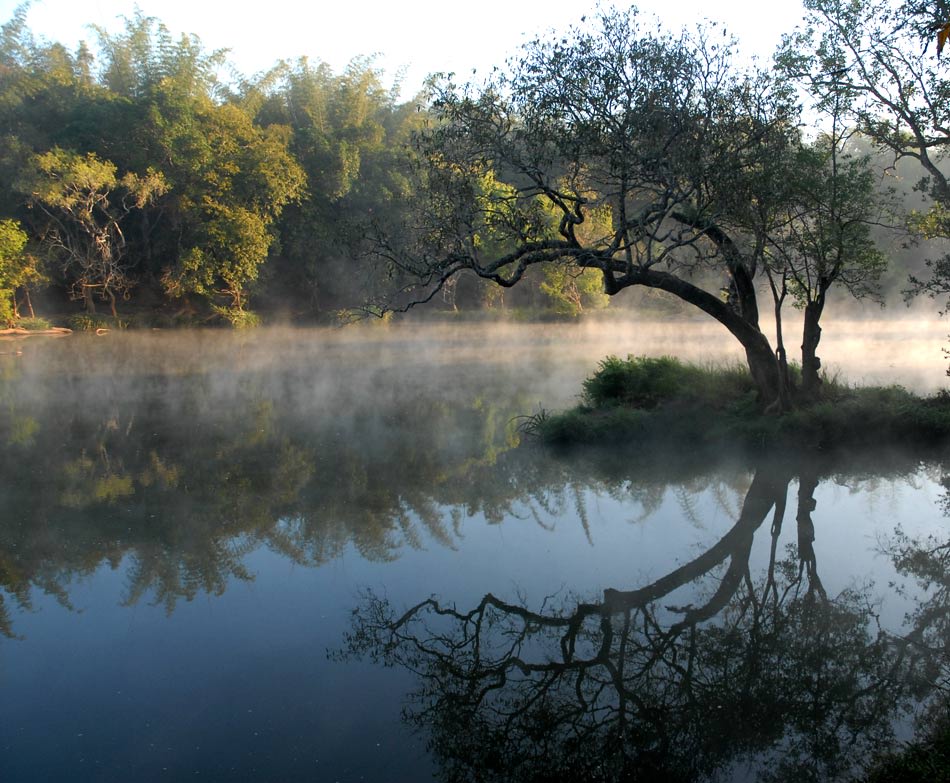
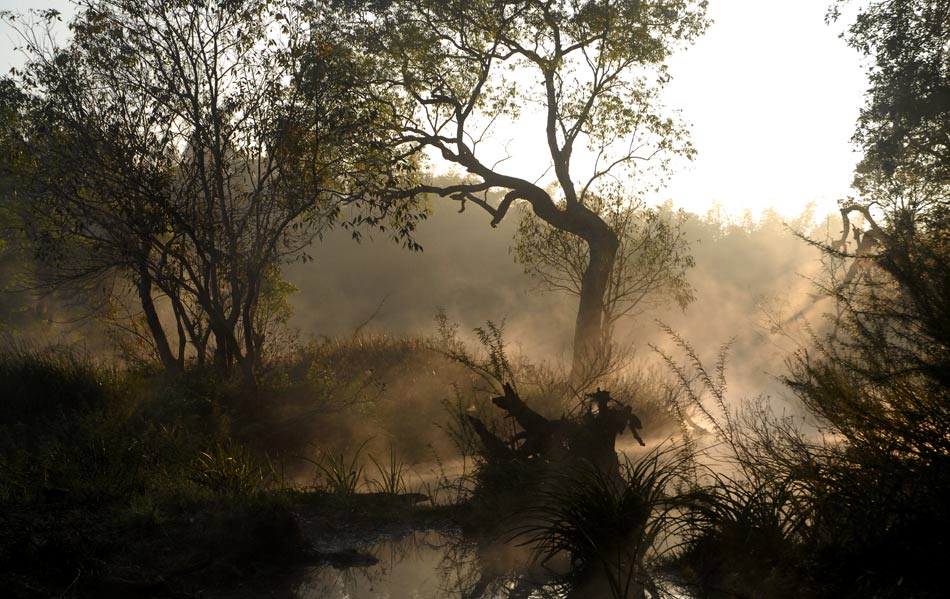
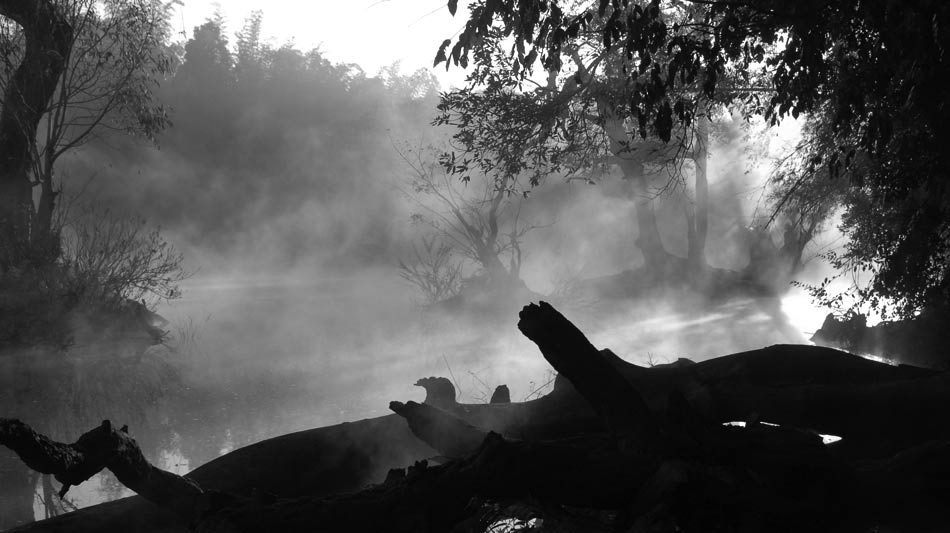
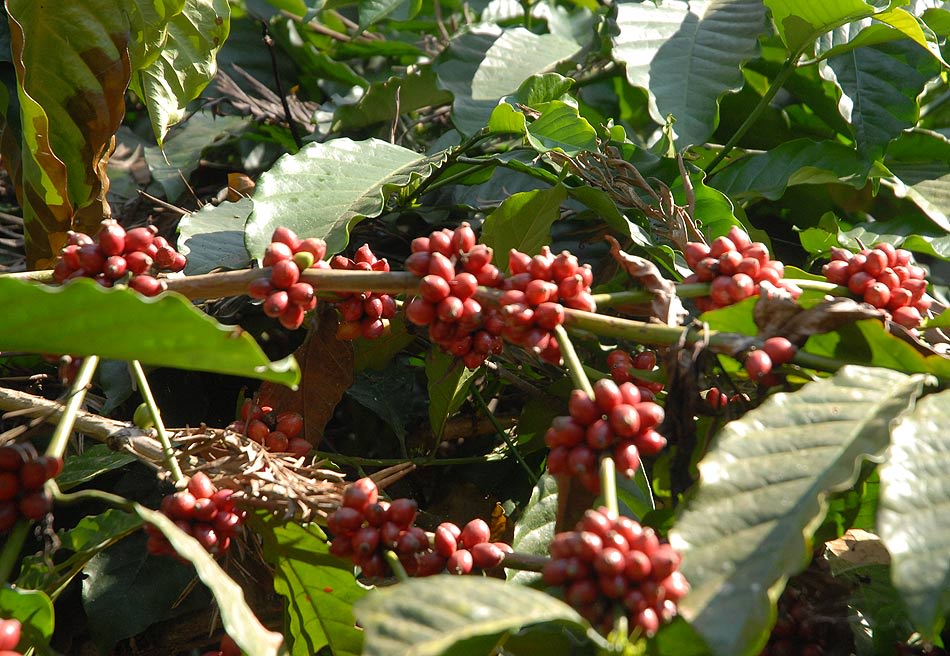
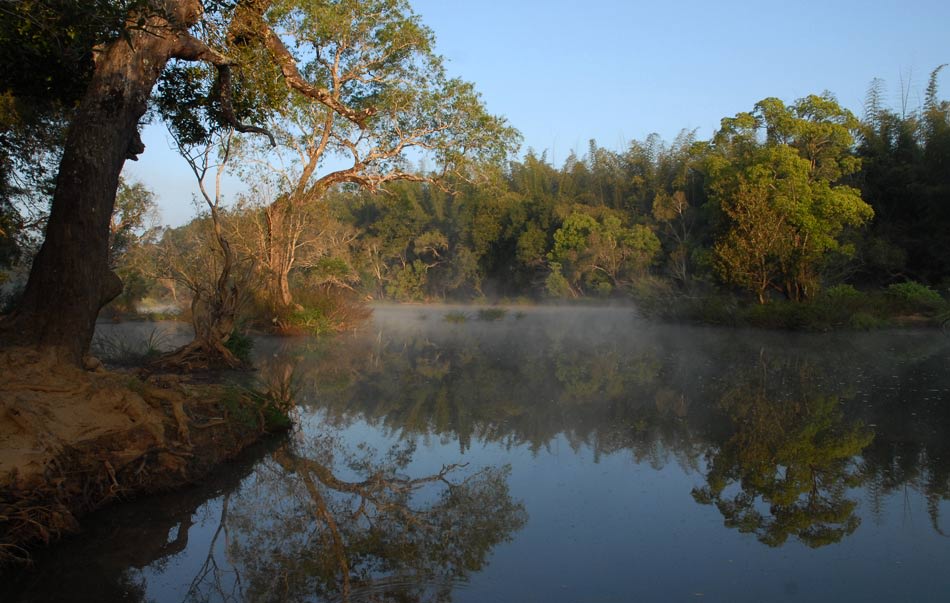
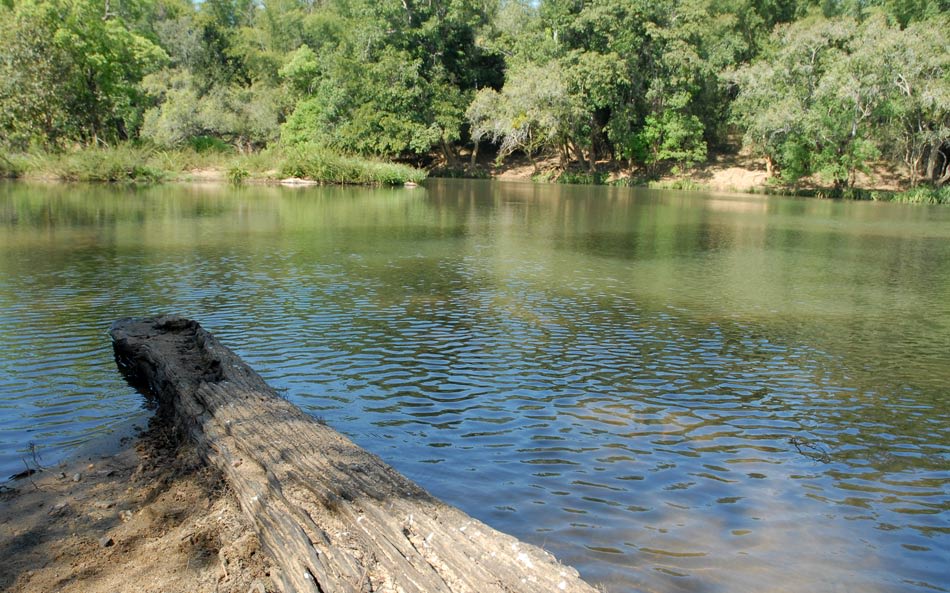
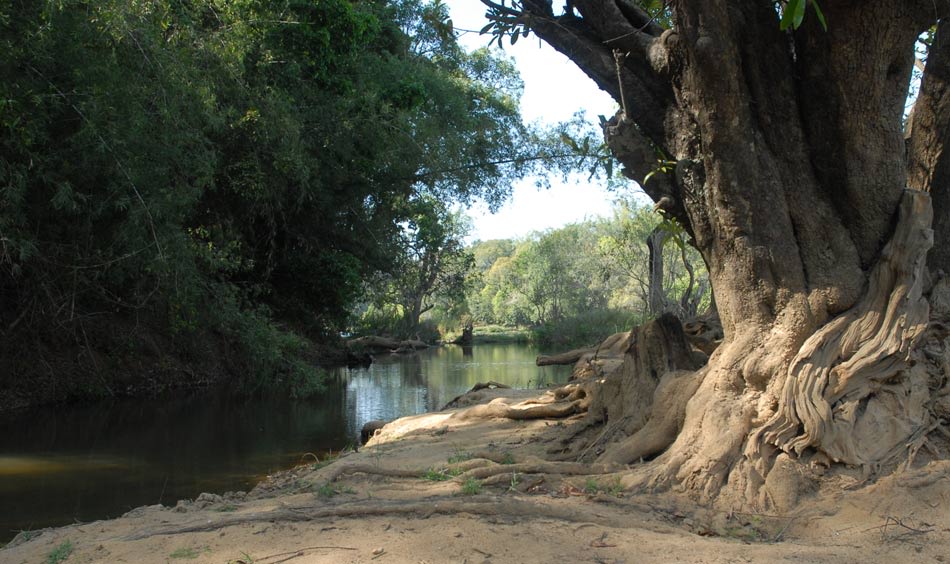
Mystic Coorg in Photos

The Sufi Gospel Project


Friday, October 21, 2011

Everest marathon conqueror : Mala Honnatti


Q. When and how did you start running?
A. Running for fun and running for fitness has been a part of my routine since time immemorial. I myself do not remember when exactly I started running.  Actually I was jogging, though not regularly, during my school days, college days, working women’s hostel days, all Sundays, holidays and many other days also .Eventually the jogging style changed to running style and I ran my first marathon on 17th Oct 1993 at Miyazaki, Japan in World Veterans Athletic Meet. Whether I am going for a marathon or not, I enjoy early morning jogging and running. While running I connect with my inner self and with nature. It is a strong dose of tranquillizer. Running 2-3 marathons in a year gives a focus and goal for my fitness regime.
Mala Honnatti

Q. Describe your training for the grueling high altitude Everest Marathon.
A. To tell you frankly, I did not had sufficient time for any specific training for this marathon. Actually the idea for Everest marathon was germinated in my mind on 31st March which was just 2 months before the race. I was taking a 2 month break from my routine job and at that time one of my mountaineering friend suggested about this marathon. I said why not? As it is, I am a trekker and mountaineer and enjoy being on the mountains and clubbing both of my passions was a good idea. I confirmed my entry for the race on 10th April and started my preparations. The scorching heat during April & May in Delhi gave me little option to do long runs. Most of my runs ( max for 90 min.) were on treadmills with inclines. I did bit of a strength training also. I was told we may take nearly double the time that we take at sea level to complete this marathon.  I knew there would be lot of walking breaks on the innumerable steep ascents and that there was no need to bother about the speed when it is difficult to walk in the high altitude. So I focused on strength, stamina, elevation and breathing efficiency rather than speed during that one month training. And I was confident of the altitude because of my experience in mountaineering.

Q. Can you tell us about the challenges of you faced while preparing for this marathon?
A. As the name suggests, the marathon starts at Everest base camp at an altitude of around 17500 ft. and runs down to a place called Namche Bazar at around 12500 ft. So the first challenge was to trek to the base camp and acclimatize to the high altitude by gradually gaining height. It is about 9 days trek with steep climbs in-between.
I reached Kathmandu on 12th May and reached Lukla on the 14th by domestic flight. Flying on the domestic flights in the mountain region is also an experience in itself where you are holding your breath and sitting on the edge of the seat. Though trekking was for 9 days, I had planned for a few extra days for acclimatization and practicing on the same route. I got 4 extra days to run up and down the mountains at higher altitude. Though most of the trekkers avail the services of the porter and guide to carry their luggage to the higher camps, I did it by myself. This is one of the valuable lessons I have learnt in mountaineering - to carry my luggage by myself or carry that much which you can manage by yourself. It is a good fitness exercise also. Luckily I did not face any altitude sickness.
The Base Camp is at the snout of Kumbhu Glassier on rough moraine and scree. You do not even get a flat place to pitch your tent and mine was supported on 3 corners. All the time snow & ice is melting and the landscape is changing. Sub zero temperature, blowing winds, lack of oxygen, loss of appetite, loss of sleep, exertion  are some of the challenges one has to face on such altitudes.

Q. Describe your race-day experience
A. The marathon was flagged off on 29th May at 7.00 am in front of Kumbhu Ice Fall. We were 104 participants (64 foreigners and 40 local Sherpas ). We had breakfast at 5.30 am and assembled at the start line at 6.30 am. After the flag off, it took me about 20 min. to come out of the moraine as I was walking on slippery snow and rocky terrain. It was snowing for about 2 hrs. You just cannot predict the weather on the mountain. I was at the midway after exactly 5 hrs. My concern was to finish the marathon in 10 hrs without any fall, injury and sickness. I did finish it but in 10hrs 21min. There were numerous steep ascents and descents, risky, slippery terrain and breathlessness because of the altitude.
I was running only on flat stretches and downhill and i was taking it easy on the uphill. One could sense the whole breathing process and at times you feel that your lungs are exploding. When I saw the tents at the finishing arena from a distance, all the reserved energy was mobilized and I picked up my pace. My two new friends, Deepa and Raj were waiting at the finish line with camera, water and a big congratulatory hug. Finally I did it!

Q. For the benefit of future aspirants, kindly tell us the total cost incurred for the Everest marathon (registration + travel cost + stay & food)
A. The whole package was priced at Rs.60000 INR by the organizers.  Air ticket from Delhi +some necessary gear like, trail running shoes, sleeping bag, down jacket, wind proof & water proof suits, warm clothing, snow sticks etc along with registration fee set me back by around Rs.80000. It helped that I already had few of the above mentioned gears with me.

Q. What were thoughts which came to your mind when you crossed the finish line?
A. The whole experience of marathon, any marathon for that matter, is a mixed emotion of anxiety, agony, ecstasy and elation. When I crossed 10hrs and realized that I had some (although very little) more distance to run, I was bit disappointed but reconciled and ran the home stretch with gusto. I was happy that I did not have any problems except the physical exertion.

Q. What exciting and exotic marathons are you planning for future?
A. Again, I would say all marathons are exciting. Yes, I am planning for few exotic marathons in 2011 & 2012.
I am running my next marathon in Sacramento on 17th July in World Masters Meet Since I will be in the in the neighborhood, I will also run San Francisco Marathon on 31st July. Then if I can manage financcially, I will do the  South Pole Marathon on 30th Nov and probably one more marathon on the mountains. In the meantime, I would be working on to improve my timing to qualify for Boston in 2013. Marathon Grand Slam is a long cherished dream which I want to realize in the next 2 years.

Thursday, October 13, 2011

India's first robotic liver transplant successful


New Delhi: In the first such surgery in India, doctors at a hospital near here have performed a robotic liver transplant to save the life of a four-year-old child. Doctors say it is only the third operation of its kind in the world.
The surgery was conducted last month at the Medanta Medicity hospital in the national capital's Gurgaon suburb in Haryana, doctors said here Thursday. 
The Da-Vinci robot was used by the doctors on Rahmatullah, 36, who donated 20 percent of his liver to his nephew Ziad, whose organ had turned cancerous and had to be removed.
"Robotic surgery is usually performed for kidney, heart and gynaecological operations. But it's use in liver transplant not only increased the precision but also reduced surgery-related troubles," said Medanta Liver Institute chairman A.S. Soin, who led the team of surgeons.
Ziad, who was living with his parents in Oman capital Muscat, was suffering from tyrosinemia, a rare genetic disorder due to which the liver is unable to digest proteins. 
"Even when Ziad developed rickets, which is one of the symptoms of this disease, the doctors were not able to diagnose his condition," said Neelam Mohan, Medanta's director of pediatric gastroenterology.
Ziad developed rickets at age of two, but his liver condition was detected much later. Ziad's father Mohd. Zakir Hussain, a pharmacist, and his mother Mehe Zabin, who are originally from Karnataka, were not able to afford the surgery in Muscat and decided to come to India.
By then, Ziad's liver had turned cancerous and hence had to completely removed. However, his parents' blood group differed from Ziad's and so his uncle Rahmatullah came forward for the liver donation. 
"The donor in a liver transplant undergoes the surgery only for saving someone's life. A robotic surgery encouraged his uncle for the donation as it has greater precision and leaves a mere three to four inch scar," Soin explained. 
The operation cost Rs.15 lakh and this was raised through charity.
The cost of robotic surgery on the donor costs nearly Rs.75,000 to 80,000 more than a normal donor surgery. Doctors, however, say the cost will come down with time as more robotic surgeries are conducted. 
"In another year or 18 months, the cost difference will come down to around Rs.25,000," said Soin. 
"It costs Rs.1 lakh just to start the robot. If three or four surgeries are conducted in a line, the cost will automatically come down," he explained.
And for Ziad and his parents, it's nothing short of a miracle.
"It is another life for Ziad," a relieved Mehe Jabin said. 
October 13, 2011 IANS

Indian language literature goes to Frankfurt Book Fair


New Delhi: In a first showcase of Indian indigenous writing, a literary panorama featuring works by over 30 language writers will be on display at the Frankfurt Book Fair in a pilot exhibition for readers and publishers from Europe, the US and other countries.
The literary panorama, initiated by the union culture ministry under the 'ILA: Indian Literature Abroad' project, will be held Oct 12-16.The project aims to carry the diversity of contemporary regional Indian literature from the grassroots to the world through source translation, which involves creation of original work directly to foreign languages in an attempt to remove dependence on English translation, a top ILA official said.Initially, the focus of translation is on six UNESCO languages: Arabic, Chinese, English, French, Russian and Spanish.
"The project requires patience and nurturing. It is (in the) long term. We want to understand the kind of Indian language books the international market likes and the market dynamics. We are looking at source language translations - like from Tamil to French," writer Namita Gokhale, the member secretary of Indian Literature Abroad project, told IANS."Translating a regional literary work first into English and then into a foreign language results in loss of textual matter," she said."Different cultures appreciate different kind of literature," she added.Gokhale heads the delegation carrying the Indian literary showcase to Frankfurt Tuesday.
A discussion, 'Romancing the Languages: Indian Literature's Journeys' will debate on the future of Indian regional language writing and its global positioning Oct 13. 
Gokhale, along with writers Urvashi Butalia, Michi Strausfeld and Prayag Shukla, will address the session.
Gokhale said "with 22 official national languages, 122 regional languages, four classical languages (Sanskrit, Tamil, Kannada and Telugu), 1,726 mother tongues and countless dialects, India can boast of a unique literary heritage".
While around 45 percent of the titles published in India are in English, it is time for the rest of the languages to reach an international audience, she said.
Regional language writing is not accessible to the rest of the world because of lack of quality translations and focused promotion, Gokhale said.
The literature has been selected under four broad categories - poems, short stories, novels and plays, a culture ministry official said.
An advisory committee is overseeing the project. The panel has noted author U.R. Ananthamurthy as chairperson and Gokhale as member-secretary.
The members include chairperson of Lalit Kala Akademi Ashok Vajpeyi, poet and Nobel nominee K. Satchidanandan, feminist writer and editor Mini Krishnan and publisher Urvashi Butalia.
"Our books should be known all over the world. The legacy of Indian language (bhasa) writing is not only rich but also has new material about people in the villages. The different facets of Indian literature have to be translated and put on the global map," noted Kannada writer and scholar U.R. Ananthamurthy told IANS from Bangalore.
Ananathamurthy, whose novels "Samskara (Samskara: A Rite for a Dead Man)" and "Bharatipura", are part of the ILA's Frankfurt panorama, said "ILA was working on several translation commissions and translation workshops to put together the second lot of titles".
Indian language books can be translated to foreign languages either by source language translation or through creative translation, Ananthamurthy said.
"Creative translation involves English as an intermediary language. First, the book is translated to English and then creatively re-written into a foreign language by an language expert.
"Translated masterpieces have to be re-translated every 10 years to keep up with the changing nature of global languages," the Kannada writer said.
The maiden ILA showcase includes language icons like Rabindranath Tagore, Rahi Masoom Raza, Ismat Chughtai, Mahashweta Devi, Maitreyi Devi, Sunil Gangopadhay, O.V. Vijayan, Dharamvir Bharati, Bhabendra Nath Saikia, Ambai (C.S. Lakshmi) and K. Satchidanandan.
"In 2006, India introduced a translation subsidy to pay foreign translators at international rates when it took a selection of books to Frankfurt Book Fair where it was the guest country. The introduction of the subsidy eventually led to the project," said publisher Urvashi Butalia.


Madhusree Chatterjee, IANS (10.10.2011)