Friday, January 6, 2012

Prominent Tulu, Kannada Plays at NSD Bharat Rang Mahotsav 2012


Saturday, January 14, 2012 at 5.30 p.m. 
Meghdhoot 1&2
Play: Karnabhara
Playwright: Bhasa Mahakavi
Director: Sripad Bhat
Group: Sangama Kalavider Manipal, Udupi, Karnataka
Language: Tulu
Duration: 1 hr 15 mins
Play: Karnabhara challenges the notions of conventional heroism. Its significance is because of its strong humanistic conception of the hero, Karna, and the performance emphasizes his heroic courage. The chorus, in addition to contributing to the rhythm and movements of the play, identifies with Karna. The Bharathavakya that our leaders may have his character, thus, becomes a theatrical presentation rather than a statement. 
Wednesday, January 18, 2012 at 5.30 p.m. 
Hamlet - Kinnara Mela
Meghdhoot 1&2
Play: Hamlet
Playwright: William Shakespeare
Director: Ekbal Ahmed
Group: Kinnara Mela, Shimoga, Karnataka
Language: Kannada
Duration: 1 hr 35 mins.
One of the finest tragedies of William Shakespeare, Hamlet is a story of medieval power politics, betrayal, scheming, thirst for revenge and ultimate retribution. The play vividly portrays real and feigned madness – from overwhelming grief to seething rage – and explores themes of treachery, revenge, incest, and moral corruption.
Friday January 20,2012 at 6.30 p.m.
LTG Auditorium
Play: Mastakabhisheka Rehearsallu
Playwright: Prof. H.S. Shivaprakash
Director: Suresh Anagalli
Group: Aneka, Bengaluru, Karnataka
Mastakabhisheka Rehearsallu - Aneka
Language: Kannada
Duration:  1 hr 40 mins 
The play unfolds on several planes: direct narration and a play within the play; history and mythology; the visual and the aural; prose and poetry; the print and electronic media. It is informed by an acute awareness of how present-day forms of communication are now altering them, and by the perception of continuity in a period of violent change and dislocation. 
Saturday January 21,2012 at 6.30 p.m.
LTG Auditorium
Play: Master Builder
Playwright: Henrik Ibsen
Director: Dr. B. Jayashree
Group: Spandana, Bangalore, Karnataka
Language: Kannada
Ibsen’s play Master Builder has been adapted into Kannada as Balura Gudikara.  Veeragaase, a traditional folk form of Karnataka, has been introduced in this play with characters portrayed as veerabhadras, who are the followers of Lord Shiva. It revolves around the egotistical Honna, who is terrified of losing his power, a fear that leads to great conflict within him, and ends in his death.   

Thursday, January 5, 2012

Bhootaaraadane Theme for Karnataka Tableau at Republic Day 2012

Bhoota araadane — a ritual of worshipping demons widely practised in Dakshina Kannada and Udupi — is the theme of Karnataka’s tableau which will be part of the Republic Day Parade on January 26, 2012 in the nation’s capital.
In the 2011 Republic Day Parade, Karnataka’s tableau highlighted Bidri culture which bagged the second place in the All-India competition. 
Out of the five themes sent by the state to the Ministry of Defence (MoD) , the authorities selected Bhootaaraadane. The other four themes were Gol Gumbaz, Hampi’s ruins, Jog Falls and Ranganathittu Bird Sanctuary. Work on the tabluea with Bhootaaradane theme has already started in Delhi. 

Wednesday, January 4, 2012

ಕೇಂದ್ರ ಲಲಿತ ಕಲಾ ಅಕಾಡೆಮಿ ಹಂಗಾಮಿ ಅಧ್ಯಕ್ಷರಾಗಿ ಕೆ.ಆರ್. ಸುಬ್ಬಣ್ಣ ನೇಮಕ

ಕೇಂದ್ರ ಲಲಿತ ಕಲಾ ಅಕಾಡೆಮಿ ಹಂಗಾಮಿ ಅಧ್ಯಕ್ಷರಾಗಿ ಗ್ರಾಫಿಕ್ ಕಲಾವಿದ ಕನ್ನಡಿಗ ಕೆ.ಆರ್. ಸುಬ್ಬಣ್ಣ ನೇಮಕ ಗೊಂಡಿದ್ದಾರೆ.
ಅಕಾಡೆಮಿ ಅಧ್ಯಕ್ಷರಾಗಿದ್ದ ಅಶೋಕ್ ವಾಜಪೇಯಿ ಅವರ ನಿವೃತ್ತಿಯಿಂದ ತೆರವಾದ ಸ್ಥಾನಕ್ಕೆ ಸುಬ್ಬಣ್ಣ ನೇಮಕ ಗೊಂಡಿದ್ದಾರೆ. `ಕಲಾವಿದರ ಸಾಮಾನ್ಯ ಮಂಡಲಿ`ಯಿಂದ ಸುಬ್ಬಣ್ಣ ಅಕಾಡೆಮಿ ಉಪಾಧ್ಯಕ್ಷ ಸ್ಥಾನಕ್ಕೆ ಆಯ್ಕೆಯಾಗಿದ್ದರು. ಅಕಾಡೆಮಿ ಸಂವಿಧಾನದ ಅನ್ವಯ ಅವರೀಗ ಹಂಗಾಮಿ ಅಧ್ಯಕ್ಷರು. ಕೇಂದ್ರ ಸರ್ಕಾರ ಹೊಸ ಅಧ್ಯಕ್ಷರನ್ನು ನೇಮಕ ಮಾಡುವವರೆಗೆ ಅಧಿಕಾರದಲ್ಲಿ ಮುಂದುವರಿಯಲಿದ್ದಾರೆ.
ಸದ್ಯ ದೆಹಲಿ ಕನ್ನಡ ಶಾಲೆಯಲ್ಲಿ ಕಲಾ ಶಿಕ್ಷಕರಾಗಿರುವ ಸುಬ್ಬಣ್ಣ ಮೂಲತಃ ಶಿವಮೊಗ್ಗ ಜಿಲ್ಲೆ ಕುಪ್ಪಗಡ್ಡೆ ಗ್ರಾಮದವರು.
1984 ರಲ್ಲಿ ಲಲಿತ ಕಲಾ ಅಕಾಡೆಮಿಯ ರಾಷ್ಟ್ರ ಪ್ರಶಸ್ತಿ ಪಡೆದಿರುವ ಕೆ.ಆರ್‌. ಸುಬ್ಬಣ್ಣ ಅವರು 1978 ರಿಂದ ದೆಹಲಿ ವಾಸಿಯಾಗಿದ್ದು ದಾವಣಗೆರೆಯ ಕಲಾ ಶಾಲೆಯಿಂದ ಡಿಪ್ಲೊಮಾ; ದೆಹಲಿಯ ಕಾಲೇಜ್‌ ಆಫ್‌ ಆರ್ಟ್ಸನಿಂದ ಚಿತ್ರಕಲೆಯಲ್ಲಿ ಸ್ನಾತಕೋತ್ತರ ಪದವಿ ಪಡೆದಿದ್ದಾರೆ. ಭಾರತದ ಎಲ್ಲೆಡೆ ಇವರ ಕಲಾಕೃತಿಗಳು ಪ್ರದರ್ಶನಗೊಂಡಿದ್ದು ಮಾತ್ರವಲ್ಲದೆ ಫ್ರಾನ್ಸ್‌, ಇಂಗ್ಲೆಂಡ್‌, ದಕ್ಷಿಣ ಕೋರಿಯಾ, ಕೆನಡಾ, ನೇಪಾಲ, ಟೋಕಿಯೋ, ಡೆನ್ಮಾರ್ಕ್‌, ಸ್ವೀಡನ್‌, ಜರ್ಮನಿಗಳಲ್ಲಿ ಅವರ ಕೃತಿಗಳು ಪ್ರದರ್ಶನಗೊಂಡು ವಿಮರ್ಶಕರಿಂದ ಪ್ರಶಂಸಿಸಲ್ಪಟ್ಟಿವೆ. ಅಂತರಾಷ್ಟ್ರೀಯ ಗ್ರಾಫಿಕ್ಸ್‌ ಪ್ರಿಂಟ್ಸ್‌ ಪ್ರದರ್ಶನವನ್ನು ಅಮೇರಿಕದ ಮ್ಯಾನ್‌ ಹಟನ್‌ ಗ್ರಾಫಿಕ್‌ ಕಾರ್ಯಾಗಾರದಲ್ಲಿ 2004 ರ  ಫೆಬ್ರವರಿಯಲ್ಲಿ  ಸುಬ್ಬಣ್ಣನವರು ಅಯೋಜಿಸಿದ್ದರು.
ಕಲಾವಿದ ಸುಬ್ಬಣ್ಣ ಅವರು ದೇಶದ ನಾನಾ ಎಡೆಗಳಲ್ಲಿ ತರಬೇತಿ ಶಿಬಿರಗಳನ್ನು ಏರ್ಪಡಿಸಿ, ಹೊಸ ಕಲಾವಿದರನ್ನು ಬೆಳಕಿಗೆ ತರುವ ಪ್ರಯತ್ನ ಮಾಡುತ್ತಿದ್ದಾರೆ. ಹಿತ್ತಲ ಗಿಡ ಮದ್ದಲ್ಲ ಎಂಬಂತೆ ದೆಹಲಿ ಕನ್ನಡಿಗರು ಸುಬ್ಬಣ್ಣ ಅವರನ್ನು ಗುರುತಿಸಿಕೊಂಡದ್ದು ಕಡಿಮೆಯಾದರೂ, ರಾಷ್ಟ್ರೀಯ ಹಾಗೂ ಅಂತರ್‌ ರಾಷ್ಟ್ರೀಯಮಟ್ಟದಲ್ಲಿ ಒಬ್ಬ ಮೇರುಮಟ್ಟದ ಕಲಾವಿದನಾಗಿ ಗುರುತಿಸಲ್ಪಟ್ಟಿದ್ದಾರೆ. ಕರ್ನಾಟಕ ರಾಜ್ಯ ಲಲಿತಕಲಾ ಅಕಾಡೆಮಿಯು ನಡೆಸಿದ 13ನೇ ವಾರ್ಷಿಕ ಕಲಾ ಪ್ರದರ್ಶನದಲ್ಲಿ ಇವರಿಗೆ ರಾಜ್ಯಪ್ರಶಸ್ತಿ ಸಂದಿದೆ. ಹೈದರಾಬಾದಿನಲ್ಲಿ ನಡೆದ ಏಳನೆಯ ಗ್ರಾಫಿಕ್‌ ಪ್ರದರ್ಶನದಲ್ಲಿ ವಾರ್ಷಿಕ ಪ್ರಶಸ್ತಿಯನ್ನು ಪ್ರದಾನ ಮಾಡಲಾಗಿದೆ. ಫ್ರಾನ್ಸ್‌ ಸರ್ಕಾರದ ಶಿಷ್ಯವೇತನ, ಭಾರತ ಸರಕಾರದ ಸಂಸ್ಕೃತಿ ಇಲಾಖೆಯ ಶಿಷ್ಯವೇತನ ಮತ್ತು ಬ್ರಿಟನ್ನಿನ ಚಾರ್ಲ್ಸ್‌ವೆಲೇಸ್‌ ಶಿಷ್ಯವೇತನಗಳು ಸುಬ್ಬಣ್ಣ ಅವರನ್ನು ತಾವಾಗಿಯೇ ಹುಡುಕಿಕೊಂಡು ಬಂದಿವೆ.
ದೆಹಲಿಯ ಏಕೈಕ ಕನ್ನಡದ ವಿದ್ಯಾಸಂಸ್ಥೆಯಾದ, ದೆಹಲಿ ಕನ್ನಡ ಶಾಲೆಯಲ್ಲಿ ಚಿತ್ರಕಲಾ ಅಧ್ಯಾಪಕರಾಗಿ ದುಡಿಯುತ್ತಿರುವ ಸುಬ್ಬಣ್ಣ, ಕೇಂದ್ರ ಲಲಿತಕಲಾ ಅಕಾಡೆಮಿಯ ಸದಸ್ಯರಾಗಿ, ಲಲಿತಕಲಾ ಅಕಾಡೆಮಿಯ ಹಣಕಾಸು ಸಮಿತಿಯ ಸದಸ್ಯರಾಗಿ, ಲಲಿತಕಲಾ ಅಕಾಡೆಮಿಯ ದೆಹಲಿ ವಲಯದ ಸಲಹಾಕಾರರಾಗಿ, ಇಂಡಿಯನ್‌ ಪ್ರಿಂಟ್‌ ಮೇಕರ್ಸ್‌ ಗಿಲ್ಡನ್‌ ಕಾರ್ಯದರ್ಶಿಯಾಗಿ ಇಂಗ್ಲೆಂಡ್‌ ಮತ್ತು ಡೆನ್ಮಾರ್ಕ್‌ ನಲ್ಲಿ ಸಂದರ್ಶಕ ಪ್ರಾಧ್ಯಾಪಕರಾಗಿ ಕಾರ್ಯನಿರ್ವಹಿಸುತ್ತಿದ್ದಾರೆ. ಇವರ ಕಲಾಕೃತಿಗಳ ಬಗ್ಗೆ ಡಾಕ್ಯೂಮೆಂಟರಿ ಫಿಲ್ಮ್‌, ಭಾರತೀಯ ಮತ್ತು ಅಂತಾರಾಷ್ಟ್ರೀಯ ಕಿರುತೆರೆಯಲ್ಲಿ ಪ್ರಸಾರಗೊಂಡಿದೆ.
ದೆಹಲಿಯ ಲಲಿತ ಕಲಾ ಅಕಾಡೆಮಿ, ಬೆಂಗಳೂರಿನ ಲಲಿತಕಲಾ ಅಕಾಡೆಮಿ, ಹೈದರಾಬಾದಿನ ಲಲಿತಕಲಾ ಅಕಾಡೆಮಿ, ಮೈಸೂರಿನ ಜಾನಪದ ವಸ್ತುಸಂಗ್ರಹಾಲಯ, ನೇಪಾಲದ ಸೋಲಿಟಿ ಒಬೆರೈ, ಡೆನ್ಮಾರ್ಕಿನ ಡೆಟ್‌ಗ್ರಾಫಿಸ್ಕೆ ಹೀಗೆ ಹಲವೆಡೆ ಸುಬ್ಬಣ್ಣನವರ ಕಲಾಕೃತಿಗಳನ್ನು ಪ್ರದರ್ಶನಕ್ಕೆ ಇರಿಸಲಾಗಿದೆ.
ಚಿತ್ರಕಲೆಯಲ್ಲದೆ ಸುಬ್ಬಣ್ಣ ಅವರಿಗೆ ಸಂಗೀತ ಮತ್ತು ನಾಟಕಗಳಲ್ಲಿ ಕೂಡಾ ವಿಶೇಷ ಆಸಕ್ತಿ. ಬಿ.ವಿ.ಕಾರಂತರ ನಾಟಕಗಳು, ಹಾಗೂ ಇತರ ಹಲವು ನಾಟಕಗಳಲ್ಲಿ ಅಭಿನಯಿಸಿರುವದಲ್ಲದೇ ರಂಗದ ಹಿಂದೆ ಕೂಡಾ ಅಷ್ಟೇ ಪರಿಣಿತರು. ಮಕ್ಕಳಿಗಾಗಿ ರಂಗ ತರಬೇತಿ ಶಿಬಿರವನ್ನು ನಡೆಸಿ ಹಲವಾರು ಕಿರು ನಾಟಕಗಳನ್ನು ನಿರ್ದೇಶಿಸಿ ಪ್ರದರ್ಶಿಸಿದ್ದಾರೆ.

Tuesday, January 3, 2012

Antarctic Ice Marathon 2011


By Mala Honnatti
Though, I was dreaming of North Pole and South Pole Marathons since a long time it was not feasible financially with my meager resources. I was satisfied with the local and few races in Nepal and US. One fine morning, it dawned on me that if I keep waiting for some miracle to happen and to be blessed with a jackpot or a windfall it may not happen in this life time. I must do it now and I must arrange for finance even by beg, barrow or steal. No, I did not steal it from any where but I begged corporates and ministers and finally barrowed it from bank by pledging my valuables.
2011 marks the centenary of Norwegian polar explorer Roald Amundsen reaching the South Pole on 14th Dec.1911. What best occasion I will get to run marathon on Antarctica? I registered for the same online and headed to the Antarctic for a modern polar challenge: the Antarctic Ice Marathon.
There are countless inspiring marathon races around the world, but if one is looking for the father of them all, it is Antarctic Ice Marathon. No other race can touch it for inaccessibility ( 2 days flight journey and another 4 and half hrs flight by Chartered plane), extreme conditions( -20’c temp. and 200kmph wind speed ) and sheer icy magnificence( miles and miles of white ice nothing else ). And as for its competitors, you won’t find a more varied, eccentric and vigorous bunch of runners anywhere else on the planet. Add to that this year’s 100th anniversary celebration of Amundsen reaching the Pole on December 14 and you’re left with arguably the greatest race on earth. 
Travelling from Delhi for more than 2 days by 3 different airlines via Dubai, Sao Paulo, Santiago I reached Punta Arenas ( Point of sand), on the evening of 27th Nov. It is small, neat and clean port city in the Southern part of Chile. All the runners were to assemble here for a briefing and on ward journey by chartered flight. There are no commercial flights flying into Antarctica. 
On 28th morning we had a briefing by slide show and few strict instructions and guidelines were given regarding cleanliness, clothing, safety, protection against wind and cold, ecological balance, international treaties, etc. All our gear was checked for not only suitability but also for cleanliness. We are not supposed to carry any soil, seeds, insects etc even stuck to our foot wears which would contaminate the Antarctic ecology. Our foot wears were also disinfected before boarding the plane! 
At 10pm on Tuesday November 29, when it was still bright sunlight outside, we left our hotel and the frontier town of Punta Arenas to airport for a four-and-a-half hour exciting ‘never before’ flight south, very far south, to the Union Glacier camp. After boarding the Ilyushin II-76, inside the Soviet-designed and built fighter plane there’s seating at the front for around 40 people and cargo stacked at the back. Half of the control panel was in our front and the limited crew was multi tasking. The crew hand out earplugs to all the passenger because the engine was roaring like a turbine. There has to be good visibility at the Union Glacier blue-ice runway for the plane to land, and we have to be prepared for the severe Antarctic conditions, so we all travel in down coats and ski, windproof pants to keep us warm once we arrive and disembark onto the ice. In spite of all these gear worn before disembarking my fingers and face became numb in few minutes when I tried to take few photos on the runway.
After being ferried in a four-wheeler from the runway to Union Glacier camp, where we were going to stay, which is about 10k, we all go to sleep around 5am. And it is bright sunlight all the time! I could not make out the night or the day throughout our stay. I tried to recollect my high school lesson about Solar system and the Earth going round the Sun and rotating around its own rotational axis which is slightly slanted, about 11 degree, from the magnetic axis. That makes the reason for day and night and whatever pattern we have now.
We were allotted a two-man arctic tent which was provided with folding bed and table, but was not heated. 24 hours of sunshine and sleeping bags kept us warm in temperatures down to -40C. Other tents like Dining, Medical, Communication, and Entertainment were centrally heated. After a short sleep we met again for a race briefing and tour of the camp in the afternoon. We’re warned not to let the comfortable conditions in camp lead to complacency: this is an extreme environment. We’re warned against frost nip (the precursor to frost bite), snow blindness and the massive hole in the ozone layer directly above us, and told not to wander out of camp because we’re on a glacier and may encounter crevasses.
This temporary camp is set up for each summer season – which usually lasts from October until February – with all supplies shipped in by plane. The goal to leave this pristine environment untouched means that all waste( including human waste) is shipped out of the Antarctic apart from grey water – waste water from washing dishes and sponge baths – which is sent down through a bore hole. There’s no running water for showers or conventional toilets and even water used to brush teeth is collected in a drum, sealed and to be shipped back to Chile.
Now, the Union Glacier camp is like a five-star hotel compared with the Antarctic encountered by Scott and Amundsen 100 years ago. We spend most of our time in the dining tent, where we eat three hearty meals a day and can help ourselves to hot drinks and at any time. There’s a convivial atmosphere every evening when the wine and beer come out and everyone talks about why they’ve come to race in the last place on earth. Some runners have clocked up more than 100 marathons, repeated grand slams, others are in single figures. Many are aiming to run a marathon on every continent. In the evenings, visiting scientists give lectures on their research projects.
On 1st Dec. after a breakfast of porridge, pancakes, fresh fruit and coffee, we climb into the back of a motorised sledge to drive up to the start point of marathon. There has been a lot of debate among the runners about what to wear, especially after camp meteorologist Marc de Keyser gives us a weather update that the air temperature is -12C, dropping to -25C with the wind chill out on the course. The Union Glacier camp is protected from high winds by the surrounding mountains but out on the course it may be windy. Everyone is wearing almost 3 layers of special and specific clothing of thermal, fleece and windproof with 2 pairs of gloves, 2 pairs of socks, sun goggles, balaclava or mask and a layer of sun cream of 50SPF on their face. I became bit nervous and ran to the toilet twice and go back to my tent for some solitude before the run. In all this hurry, I felt a little pull in the lower back muscle and had to run Volini for instant relief.
At 11am, 32 runners from 17 countries cross the start line of the seventh Antarctic Ice Marathon in bright sunshine, eager to complete the challenge ahead. The course has been groomed and marked with small orange flags at 50m intervals. Everyone in the camp has been forbidden to drive on it in the week leading up to the race so the going for the runners will be as even as possible. The uniform surface disguises terrain that is tough to run on. It feels like you are running on the brittle glass and at every step it is breaking and the feet digs into the soft snow beneath making it difficult to pull out for the next step. As the day progress, the sun softens the snow and makes it soggy, with the result that the second lap is even tougher than the first. Every step saps your energy.
With very few visual references in the landscape, running in a straight line for six miles becomes a mental as well as physical battle. The three manned aid stations, which are around 10K apart, start as black dots on the horizon before slowly emerging as tents and trestle tables laden with hot and cold drinks, biscuits and chocolate. Each offers an irresistible opportunity to stop for something to eat and drink, have a short rest and chat with the camp staff. Time seems to behave differently against the white background and the hours pass quickly. I have been running on this vast expense of snow in the emptiness of the surrounding for more than 7 hrs without realizing it. Sometimes my hands and feet were numb, next my earlobes were senseless, and often, whenever I was removing the buff to breath properly or blow my constantly running nose my face and nose were freezing with chill winds. The snow was not hard on my bones and joints but it was a pressure on my hips and hamstring muscles. It was a lonely battle till you see the finish line and other runners standing and clapping there to receive you. I cross the finish line with hands rose to the sky, in a gestures to thank the God (or is it relief) tears in the eyes, lump in the throat and a sense of achievement and satisfaction in heart. I could not utter a word of thanks also to congratulatory hugs and handshakes. I was speechless. After taking a photo with the national flag and having some hot drinks and snacks, I limp to my tent to change the wet clothes. Yes, clothes were wet with sweating in spite of the --- -20’c temp. outside. Rest of the evening I was walking around as if I have won an Olympic medal. I became the first lady from Karnataka and second from India to run Antarctica Ice Marathon in that vast expense of snow, in -20’c temperature and chilly winds of 200kmph. 
At 10am the next day, there was an ultra marathon race and there were 5 runners for 100k and 1 for 100mile race. The sky was overcast by low clouds and there was further drop in the temp. with heavy winds. The marathon runners spend the day recovering in the mess tent, dashing outside to give a cheer any time an ultra runner passes through camp on their 25km four-lap challenge. We’ve eaten three meals, been to a lecture and watched some DVDs by the time first runner come into camp to finish the 100K in 12:09:06. Race director Richard Donovan is aiming to run 100 miles. In 2002 Richard Donovan became the first man to run a marathon at the South Pole. He has chosen to run 100 miles to celebrate the 100 years since Amundsen reached the Pole. He completes the distance of 100miles in 24:35:02. Everyone in the camp turns out to cheer him across the finish line.
It was busy time to be at Union Glacier camp. There are groups of Norwegians about to ski south to meet their prime minister on December 14 for the anniversary celebrations. Four engineers from the British Antarctic Survey are passing through on their way to the British base at Rothera. They are the advance party transporting 70 tonnes of equipment to Lake Ellsworth before the drilling project – to collect water and sediment samples from 3K under the Western Antarctic Ice Sheet – begins in October, 2012. There are guides who’ve climbed Everest more than 10 times and scientists who are tracking the retreat of the Antarctic ice sheet, with 1mile to 3mile thickness. They all depend on small planes to get around. There is a tent named after Col. Bajaj, who was the first Indian to explore South Pole on ski who is a well known figure in India adventure whom I had met during my stint at IndusInd Bank. In one of the lectures by a scientist I was told that India( along with China ) with its third research station, Bharathi, is going to play an important role in Antarctica politics, happenings and researches.
On 3rd late evening at 7.30 pm. we head back to the Ilyushin for the journey back to Punta Arenas with a collective sense of achievement and board the plane at 9.30 pm. in bright sunlight. I was the last one to board the plane and I wanted to grab that last second also to look around for the last time as I knew I would not be getting this sight to see any more in my life.

Friday, December 30, 2011

Dr Frederick D'Souza of New Delhi Archdiocese Appointed Caritas Director


Dr Frederick D'Souza, Archdiocese of New Delhi has been appointed director of Caritas India by the Archbishop of New Delhi. He has served as an assistant in the same organization from seven years.
Dr. Frederick D'Souza
Dr Frederick D'Souza was born on February 13, 1957, in Tellar - a village in Dakshina Kannada of Karnataka to the late Ignatius and Juanna D'Souza. He was the eighth of their nine children. Little did they know that this little boy was destined for great things.
After schooling, he joined St Joseph’s Seminary, Jeppu, Mangalore and opted for Delhi Diocese. He was ordained in the year 1985. His first appointment was assistant parish priest at Rosary Church, Kingsway Camp and then as parish priest at Immaculate Conception Church, Village Kanhei, Gurgaon.
He has obtained Master of Arts from Mysore University and Master of Arts in Developments studies at Netherlands, and done his PhD from London School of Economy, London, UK.
His value of compassion for the poor drew the attention of his authorities who appointed him the head of different organizations like coordinator and director of Chetanalaya, NGO, New Delhi, director, regional forum of Caritas India and assistant executive director, Caritas, India. He has also served as the chancellor at Delhi Catholic Archdiocese, Archbishop’s House, New Delhi.
His administrative abilities solidly founded on his personal relationship with Jesus will definitely benefit everyone, especially the poor and the needy.

Thursday, December 29, 2011

Bharat Rang Mahotsav scheduled at NSD from Jan 8 to 22, 2012

Bharat Rang Mahotsav
The King of Dark Chamber- Raja
8 January 2012, Kamani Auditorium, 7:00 pm
 
The 14th Mahotsav will include several national and international performances, and various associated events in a wrap-around programme.
Bharat Rang Mahotsav was established a decade ago by the National School of Drama to stimulate the growth and development of theatre across the country. Originally a national festival showcasing the work of the most creative theatre workers in India, it has evolved to international scope, hosting theatre companies from around the world, and is now the largest theatre festival of Asia.
At the forefront of the International section this year we have a focus on contemporary Polish Theatre with three very vibrant productions.
A series of wrap around programs around the festival includes a talk on interactive sessions with the directors, a seminar on” The multi-disciplinary approach of Tagore’s performance language” and 5 photographic exhibitions.
Parallel Festival

Bharat Rang Mahotsav is accompanied by a shorter festival in a second city, with selections from the main repertoire, extending the scope of the Mahotsav and sharing its fare with theatre lovers outside Delhi. The second festival has to date been held in Bengaluru, Kolkata, Mumbai, Lucknow, Bhopal and Chennai. This year it travels to Amritsar, Punjab. 

Tickets DENOMINATION:
•Kamani and Shri Ram Centre - Rs.200/-, Rs.100/-, Rs.50/-
•Abhimanch and LTG - Rs.200/- and Rs.100/-, Rs. 50/-
•Sammukh, Bahumukh, Meghdoot1,2,3 - Rs.50/-
•Abhikalp and Open Air - By Invitation.
AVAILABILITY:
•Advance booking will start on 5th Jan 2012 at NSD Campus from 10.00am to 3.00 pm
•Booking will be divided in three phases.
•First phase booking starts on 5th for plays from 8th Jan-12th Jan 2012.
•Second phase booking starts on 10th for plays from 13th Jan-17th Jan 2012.
•Third phase booking starts on 16th for plays from 18th Jan-22nd Jan 2012.
•Maximum four tickets per person per play for each phase at a time will be permitted.
•Current booking will start at the respective theatres one hour before the show.
•Invitations for Abhikalp and Open Air available at the Reception of National School of Drama from 10 am on the day of the perfortmance.
•Children below 8 years not allowed.
•Nearest Metro Station - Mandi House 

The 14th Bharat Rang Mahotsav will be inaugurated with a visually beautiful production of Rabindranath Tagore’s highly symbolic play, ‘ The King of Dark Chamber – ‘Raja’ directed by Ratan Thiyam with Chorus Repertory of Manipur. As a tribute to Tagore on his 150th birth anniversary, the festival has a focus on his works with 14 productions and 4 Allied events from among the 88 plays in the main repertoire and 11 Allied events .

ದೆಹಲಿಯಲ್ಲಿ ಶಶಿಧರ ಕೋಟೆ ಸಂಗೀತ


Wednesday, December 28, 2011

Bye Bye Metro Man - Elattuvalapil Sreedharan


Elattuvalapil  Sreedharan 
A man of great vision and impeachable integrity, the Metro Man Elattuvalapil   Sreedharan, who retires on Saturday (Dec. 31, 2011), gave Delhi a “new identity” for which people of the city will always miss him.
His contribution to the city as Managing Director of DMRC in the last 16 years, transforming the whole public transport system and in the process changed the way Delhiites travel.
“The whole city will miss him. My government will miss him. I do not have words to offer our gratitude to him for giving us a wonderful metro network which is now being followed as a model network by various world cities,”  Chief Minister Sheila Dikshit said.
Shri M. Hamid Ansari, Vice President of India being presented model of
Metro train by the Chairman of Delhi Metro Rail Corporation,
Dr. E. Sreedharan, during his visit at Delhi Metro Museum,
in New Delhi on December 02, 2011.
The 79-year-old technocrat, who joined DMRC in 1995, has been credited with construction of 190 km network across the National Capital Region, which is now considered as fastest growing Metro network anywhere in the world. The metro currently ferries over 16 lakh passengers on week days through over 2,500 trips. Sreedharan has offered us one of the most reliable and modern metro network in the world and  we will remain thankful to Sreedharan for it.
Sreedharan was given four extension of services and earlier this year he had wriiten a letter to Dikshit asking her to find his successor well ahead of his retirement in December.
A high-level government panel had selected Mangu Singh, DMRC’s Director who oversaw the construction of the high-speed Airport Metro Express, to succeed Sreedharan. 56-year-old Singh, a civil engineer from Roorkee University, was Sreedharan’s choice to step into his shoes as the DMRC Managing Director. 
Singh is an Indian Railways Service of Engineers (IRSE) officer of the 1981 batch and worked with Sreedharan in the Kolkata Metro project. 
He has been associated with the Delhi Metro since its inception. Asked about phase III expansion of metro network, Dikshit said it would come up under the newly appinted DMRC chief. Top officials said Sreedharan will not be associated with DMRC in any capacity after his retirement as envisaged earlier.
Giving the masses an affordable, fast and comfortable mode of transport, the Delhi Metro with its nearly 200-km network, on Dec. 24, 2011 completed its nine years of operation across the National Capital Region.
Making its debut on a small 8-km stretch on December 24, 2002, the Delhi Metro slowly added several corridors to its network over the years bringing the satellite cities of Noida, Gurgaon and Ghaziabad closer to the city.
Metro Travel
The first ever Metro service started between Shahdara and Tis Hazari and since then the ridership has increased leaps and bounds to reach 20 lakh passengers a day.
In February, the Airport Express Line opened for commuter operations. On February 23, the services started for the commuters. With the opening of this 23.7 km long corridor, Delhi joined the elite list of global cities like Shanghai, Tokyo, London etc. which have direct Metro conductivity between the airport and the city centre. Another major achievement was the extension of the Metro to Ghaziabad in Uttar Pradesh. During the year, the DMRC was also involved in planning the next phase of Metro construction across the National Capital Region.

Monday, December 26, 2011

ವರ್ಷದ ಆರಂಭ ದಿನವೇ ದೆಹಲಿಯಲ್ಲಿ ಶಶಿಧರ ಕೋಟೆ ಸಂಗೀತ ಸಿಂಚನ


’ಕೋಟೆ ಶೈಲಿ’ ಎಂದೇ ಸುಗಮ ಸಂಗೀತ ಕ್ಷೇತ್ರದಲ್ಲಿ ಹೆಸರು ಮಾಡಿರುವ ಶಶಿಧರ ಕೋಟೆಯವರ ಸಂಗೀತ ಕಾರ್ಯಕ್ರಮ ಇದೀಗ ದೆಹಲಿ ಕನ್ನಡಿಗರ ಮುಂದೆ ಪ್ರಸ್ತುತಗೊಳ್ಳುತ್ತಿದೆ.
ಹೊಸ ವರ್ಷದ ಆರಂಭ ದಿನವೇ (01.01.2012) ದೆಹಲಿ ಕರ್ನಾಟಕ ಸಂಘದಲ್ಲಿ ಸಂಗೀತ ಧಾರೆ ಹರಿಯಲಿದೆ.
ಸಂಗೀತ ದಿಗ್ಗಜರಾದ ಬಾಲ ಮುರಳೀ ಕೃಷ್ಣ ಹಾಗು ಕೆ.ಜಿ. ಜೇಸುದಾಸ ಇವರಿಂದ ಪ್ರಭಾವಿತರಾದ ಶಶಿಧರ ಕೋಟೆಯವರ ಧ್ವನಿ ಮತ್ತು ರೂಪ ಜೇಸುದಾಸ್‌ರಂತೆ ಇರುವುದು ವಿಶೇಷ. ದಕ್ಷಿಣದ ಭಾರತದ ವಿವಿಧ ಭಾಷೆಗಳಲ್ಲಿ ಸುಗಮ ಸಂಗೀತ ನೀಡಿರುವ ಶಶಿಧರ ಕೋಟೆ ಈ ತಲೆಮಾರಿನ ಕರ್ನಾಟಕದ ಪ್ರಮುಖ ಗಾಯಕರಲ್ಲಿ ಒಬ್ಬರು. ೨೫೦೦ಕ್ಕೂ ಹೆಚ್ಚು ಸಂಗೀತ ಕಾರ್ಯಕ್ರಮವನ್ನು ನೀಡಿರುವ ಶಶಿಧರಕೋಟೆಯವರ ಖ್ಯಾತಿ ಆಂಧ್ರಪ್ರದೇಶ ತಮಿಳುನಾಡು, ಮುಂಬಯಿ, ಕೇರಳಗಳಿಗೆ ವಿಸ್ತರಿಸುವುದು ಅವರ ಪ್ರತಿಭೆ ಮತ್ತು ಜನಪ್ರಿಯತೆಗೆ ಸಾಕ್ಷಿ.
ಸಂಗೀತ ಪ್ರೇಮಿಗಳ ನಾಡಿ ಮಿಡಿತವನ್ನು ಅರಿತು ತಾನು ಹಾಡಲಿರುವ ಗೀತೆಯನ್ನು ಆಯ್ಕೆ ಮಾಡುವ ಶಶಿಧರ ಕೋಟೆ ಹಾಡಲು ತೊಡಗಿದರೆ ಗಾಯನದಲ್ಲಿ ಲೀನವಾಗುತ್ತಾರೆ. ಸನ್ನಿವೇಶಕ್ಕೆ ಅನುಗುಣವಾಗಿ ಅವರು ದಾಸರ ಪದ, ಜನಪದ ಗೀತೆ, ಭಕ್ತಿಗೀತೆ ಮತ್ತು ಚಲನಚಿತ್ರದ ಪ್ರಸಿದ್ಧ ಗೀತೆಗಳನ್ನು ಹಾಡಿ ಕೇಳುಗರನ್ನು ಮೋಡಿ ಮಾಡಬಲ್ಲರು.
ಗಾಯಕನಿಗೆ ಸಂಗೀತದ ರಾಗಗಳಷ್ಟೇ ಅದರ ಸಾಹಿತ್ಯದ ಅರಿವು ಮುಖ್ಯ ಎಂದು ಬಲವಾಗಿ ನಂಬಿರುವ ಶಶಿಧರ ಕೋಟೆಯವರ ಕಾರ್ಯಕ್ರಮಗಳು ಶಾಸ್ತ್ರೀಯ ಹಿನ್ನಲೆಯ ಮಾತ್ರವಲ್ಲ ಎಲ್ಲ ಜನಸಮೂಹದ ಕೇಳುಗರನ್ನು ಆಕರ್ಷಿಸಿದೆ. ಆಂಗ್ಲ ಸಾಹಿತ್ಯದಲ್ಲಿ ಸ್ನಾತಕೋತ್ತರ  ಪದವೀಧರರಾಗಿರುವ ಕೋಟೆಯವರು ಇಂದು ಸಂಪೂರ್ಣವಾಗಿ ಸಂಗೀತಕ್ಕಾಗಿ ತಮ್ಮ ಬದುಕನ್ನು ಅರ್ಪಿಸಿಕೊಂಡಿದ್ದಾರೆ.
ಶಶಿಧರ ಕೋಟೆಯವರು ಈಚೆಗೆ ಯಕ್ಷಗಾನವನ್ನು ಸುಗಮ ಸಂಗೀತ ಶೈಲಿಗೆ ಅಳವಡಿಸಿ ನೀಡಿದ ಧ್ವನಿಮುದ್ರಿತ ಕ್ಯಾಸೆಟ್‌ಗಳು ಅತಿ ಹೆಚ್ಚು ಮಾರಾಟವಾಗಿ ದಾಖಲೆ ನಿರ್ಮಿಸಿದೆ. ದಕ್ಷಿಣ ಕನ್ನಡ ಜಿಲ್ಲೆಯ ಶ್ರೀಮಂತ ಸಾಂಸ್ಕೃತಿಕ ಪರಂಪರೆಯಿಂದ ಪ್ರಭಾವಿತರಾಗಿರುವ ಶಶಿಧರ ಕೋಟೆಯವರ ಸಂಗೀತ ದೆಹಲಿ ಕನ್ನಡಿಗರಿಗೆ ಒಂದು ಹೊಸ ಅನುಭವ ನೀಡಲಿದೆ.
ದಕ್ಷಿಣ ಕನ್ನಡದ ಸುಳ್ಯ ತಾಲೂಕಿನ ಖ್ಯಾತ ಸಹಕಾರಿ ದುರೀಣರಾದ ಕೋಟೆ ವಸಂತಕುಮಾರ್ ಹಾಗೂ ಪಾರ್ವತಿಯವರ ಪುತ್ರ ಶಶಿಧರ ಕೋಟೆ. ಅವರ ಪತ್ನಿ ಸೀತಾ ಕೋಟೆ ಜನಪ್ರಿಯ ಭರತನಾಟ್ಯ ಕಲಾವಿದೆ. ಶಶಿಧರ ಕೋಟೆ ದೂರದರ್ಶನ ಕಲಾವಿದರಾಗಿಯೂ ಹೆಸರು ಗಳಿಸಿದ್ದಾರೆ. ಹಲವು ಧಾರವಾಹಿಗಳಲ್ಲಿ ನಟಿಸಿರುವ ಅವರು ನಿರೂಪಕರಾಗಿಯೂ ಕಾಣಿಸಿಕೊಂಡಿದ್ದಾರೆ. ಸಿರಿಕಂಠದ ಗಾಯಕ, ಸ್ವರ ಮಂದಾರ, ಗಾನ ಗಾರುಡಿಗ ಮೊದಲಾದ ಬಿರುದುಗಳಿಗೆ ಪಾತ್ರರಾಗಿರುವ ಶಶಿಧರ ಕೋಟೆಯವರಿಗೆ ’ಆರ್ಯಭಟ ಶ್ರೇಷ್ಠ ಗಾಯಕ’ ಹಾಗೂ ’ಸಂಗೀತ ರತ್ನ’ ಮೊದಲಾದ ಪ್ರಶಸ್ತಿಗಳು ಲಭಿಸಿವೆ.
ಕನ್ನಡದ ಖ್ಯಾತ ಗಾಯಕನ ಸಂಗೀತ ಸಿಂಚನದೊಂದಿಗೆ ದೆಹಲಿ ಕನ್ನಡಿಗರು ತಮ್ಮ ಹೊಸ ವರ್ಷವನ್ನು ಆಚರಿಸಲಿ ಎಂಬ ಆಶಯ ವಸಂತ ಶೆಟ್ಟಿ ಬೆಳ್ಳಾರೆ ಅವರದ್ದು. ತಮ್ಮ ’ದೆಹಲಿ ಮಿತ್ರ’ ಸಂಘಟನೆಯ ಮೂಲಕ ಈ ಕಾರ್ಯಕ್ರಮವನ್ನು ಶಶಿಧರ ಕೋಟೆಯವರ ತಂದೆ ’ದಿ. ಕೋಟೆ ವಸಂತ ಕುಮಾರ’ರಿಗೆ ಅಭಿಮಾನದಿಂದ ಅರ್ಪಿಸುತ್ತೇನೆ ಎಂದು ವಸಂತ ಶೆಟ್ಟಿಯವರು ತಿಳಿಸಿದ್ದಾರೆ. ಸಾಹಿತಿ ಡಾ. ಪುರುಷೋತ್ತಮ ಬಿಳಿಮಲೆ, ಡಾ. ಬಿ.ಟಿ. ಚಿದಾನಂದ ಮೂರ್ತಿ ಹಾಗೂ ಡಾ. ಎಂ.ಎನ್. ಗೌಡ ಇವರ ಅಭಿನಂದನಾ ಕಾರ್ಯಕ್ರಮವನ್ನು ಈ ಸಂದರ್ಭದಲ್ಲಿ ಹಮ್ಮಿಕೊಳ್ಳಲಾಗಿದೆ.
ವೈ. ಅವನೀಂದ್ರನಾಥ್ ರಾವ್

Wednesday, December 21, 2011

SAHITYA AKADEMI AWARDS 2011


Eight books of poetry, seven of novels,  three of essays, one each  of short stories, narrative history, biography and a play have won the Sahitya Akademi Award this year.
The Awards were recommended by distinguished Jury members representing 23 Indian languages and approved by the Executive Board of the Sahitya Akademi which met today under the Chairmanship of Sri Sunil Gangopadhyay, President of the Sahitya Akademi.
Famous poets honoured with the Award for the year 2011 are (late) Kabin Phukan (Assamese), Manindra Gupta (Bengali), Premananda Mosahari (Bodo),  Naseem Shafaie (Kashmiri), Melvyn Rodrigues (Konkani), Harekrishna Satapathy  (Sanskrit),  Aditya Kumar Mandi (Santali) and Khaleel Mamoon (Urdu).
The well-known novelists  Kashinath Singh (Hindi),  Gopalakrishna Pai (Kannada),  Kshetri Bira (Manipuri),  Kalpanakumari Devi (Odia), Baldev Singh (Punjabi),  Atul Kanakk (Rajasthani) and  S. Venkatesan (Tamil) are among those honoured with the Sahitya Akademi Awards 2011.
Lalit Magotra (Dogri),  Grace (Marathi) and  Samala Sadasiva (Telugu) have got the Award for their books of essays.
Ramachandra Guha (English) for his book of  Narrative History, Mohan Parmar (Gujarati) for his book of  short stories,  M. K. Sanu (Malayalam) for his book of biography and Mohan Gehani (Sindhi) for his 
book of plays have been honoured.
The books were selected on the basis of recommendations made by a Jury of three members in the concerned languages in accordance with the procedure laid down for the purpose.  According to the procedure, the Executive Board declared the Awards on the basis of unanimous selections made by the Jurors or selection made on the basis of majority vote.  The Awards relate to books first published during the three years immediately preceding the year of Award (i.e., between 1 January 2007 and 31 December 2009).  
Award in Maithili will be declared later.  No Award in Nepali.
The Award in the form of a casket containing an engraved copperplaque, a shawl  and a cheque of  Rs. 1,00,000/- will be presented to the authors of these books at a special function to be held on 14 February 2012 at New Delhi during the Festival of Letters organized by Sahitya Akademi.

Don 2 - Flash mob


This Flash mob was produced by the Well-wisher of KEMPUKOTE Shri Basti Dinesh Shenoy and was  directed for Microsoft Don 2 Campaign.

Credit: 
Asst. Editor: Vivek Rana, 
Operative cameramen: Anushree, Chanchal and Jatin Makker. 
Director of photography: Chandramohan Mohan. 
Editor and co-director: Yash Bhardwaj. 
Producer/Director: Dinesh Shenoy. 
Agency: Pulp Strategy.

Dinesh Shenoy (standing folding his hand back) at Centrestage Mall in Noida
Exclusive Photo by KEMPUKOTE


Sunday, December 18, 2011

A folk art of coastal land and a scholar from Germany


Katrin Binder

Her interest was music and theatre. When a performance of Yakshagana, a folk art of unique blend of traditional music, eye-catching costumes, authentic styles of dance, gestures and acting with its extemporaneous dialogue caught her glimpse she thought “this is it”. 
Katrin Binder, a doctoral scholar of Indology and currently teaching Kannada at Wurzburg University, Germany arrived in New Delhi on her way to Udupi in Karnataka, spent a quite evening of winter sharing her thoughts and experiences among some Yakshagana enthusiasts on 17 Dec 2011. 
Katrin knows Kannada and has translated Abhimanyu Kalaga Yakshagana Prasanga into German. Katrin has submitted her Ph. D. thesis on the subject “ Yakshgana Rangabhumi” to University of Tuebingen, Germany during 2008. 
Introducing her to the audience Dr. Purushothama Bilimale, eminent folklore scholar said Dr. Kota Shivaram Karanth, the legendary Kannada scholar and Martha Bush Aston from the US have tremendously contributed for academic and performance of Yakshagana. Martha's legacy is being carried forward by German research scholar Katrin Binder, said Dr. Bilimale. Dr. Karanth experimented with the dance form by introducing western musical instruments. He also reduced the time of a Yakshagana performance from 12 hours to two and half hours. 
Katrin Binder has been trained on Yakshagana at renowned Yakshagana Kalakendra run by the Govinda Pai Research Institute located at Mahatma Gandhi Memorial College, Udupi. Her Guru Bannanje Sanjiva Suvarna, teacher at Yakshagana Kendra is noteworthy personality who started as a amateur Yakshagana artist and blossomed fully into a fine exponent of the traditional artist of Yakshagana. He is well-versed in traditional Yakshagana of Badagu Thittu (northern) style. Quite a number of enthusiasts from abroad like John Alee from Australia, Bruna Sirabella from Italy  also underwent training in the Yakshagana Kalakendra for varying periods. Katrin Binder’s other areas of work are modern Kannada literature and drama, history of Basel Mission in Karnataka.  Katrin who came to Udupi to do her fieldwork for her master's thesis on Yakshagana fell in love with the art and continued to study it academically and experimented the performance. She has performed in several places in Europe. 
Dr. Purushothama Bilimale (left) interacting
“When I came to India for the first time for a month in 2000, I simply worked on my research.” While doing so, she started wearing Indian dress, learning the Indian languages like Hindi, Malayalam, Kannada and Tulu. Along with she has started loving Yakshagana. "In Yakshagana, for me its music was very difficult. Guru Sanjeev Suvarna and Dr. B. A. Vivek Rai taught me Kannada", she said. Before performing Yakshagana regularly, she was introduced to the stage as Balagopala. "My Guru put together Sabha Lakshana, choreographed Ganapathi Stuti, Krishna oddolaga or courtier entry and Raja Vesha oddolaga". She also studied the materials on Hermann Mögling and Reverend Ferdinand Kittel, priests and scholars with the Basel Mission who have contributed to the cultural development of the Coastal Karnataka and the Kannada language. She attended different forms of Yakshagana  performances like harake aata of Mandarti Mela and commercials shows of Perdur Mela. Through local newspapers like Udayavani and Vijay Karnataka she collected the developments happening in Yakshagana field. 
She named her two daughters Usha and Yashodhara and takes them along with her to make them to understand what their mother is doing in India. She is always fond to remember her Guru Suvarna and his family who become close friends that she now calls them her second family. 
Yakshagana is a vibrant living form of theatre art. Despite doubts among the performers and scholars about the future of this folk art, it is going to stay for long. 
Scholars, Yakshagana  performers and the novice had a gainful discussion with Katrin Binder, scholar from Germany on her feat in this folk art of coastal land.


KEMPUKOTE


Saturday, December 17, 2011

Love for wildlife runs in the family

BANGALORE- BASED Ullas Karanth, son of the legendry Kannada writer Shivarama Karanth ( Jnanapith awardee) is a world- renowned conservation zoologist and tiger expert. His daughter, Krithi K Karanth, a conservation biologist, has achieved a rare distinction.
She is the recipient of the 10,000th grant of the National Geographic Society, a prestigious honour.
The grant will enable Krithi ( 32) to assess human- wildlife conflicts in five parks of India’s Western Ghats. The project will identify and map risks and consequences for local people and the implications for conflict- prone wildlife species such as elephants, leopards and tigers.
India’s rich wildlife continues to be threatened by habitat destruction, prey depletion, poaching and global wildlife trade. Krithi is concerned about the dramatic decline of species. Karnataka is among the top states witnessing a sudden increase in animal- human conflicts.
Unfortunately, the government has remained oblivious to this fact and and refuses to take action. Besides, it is not willing to consult experts like Karanth, who has received international recognition while wildlife continues to suffer.
Aravind Gowda / Mail Today

Sunday, December 11, 2011

December 11, 1911 - A Hundred Years after the Birth of New Delhi as Capital City

Jantar Mantar

Janpath Market

LIC Building 
Humayun's Tomb

India Gate

Gopaldas Building

Select City Mall

Raj Ghat

Railway Museum

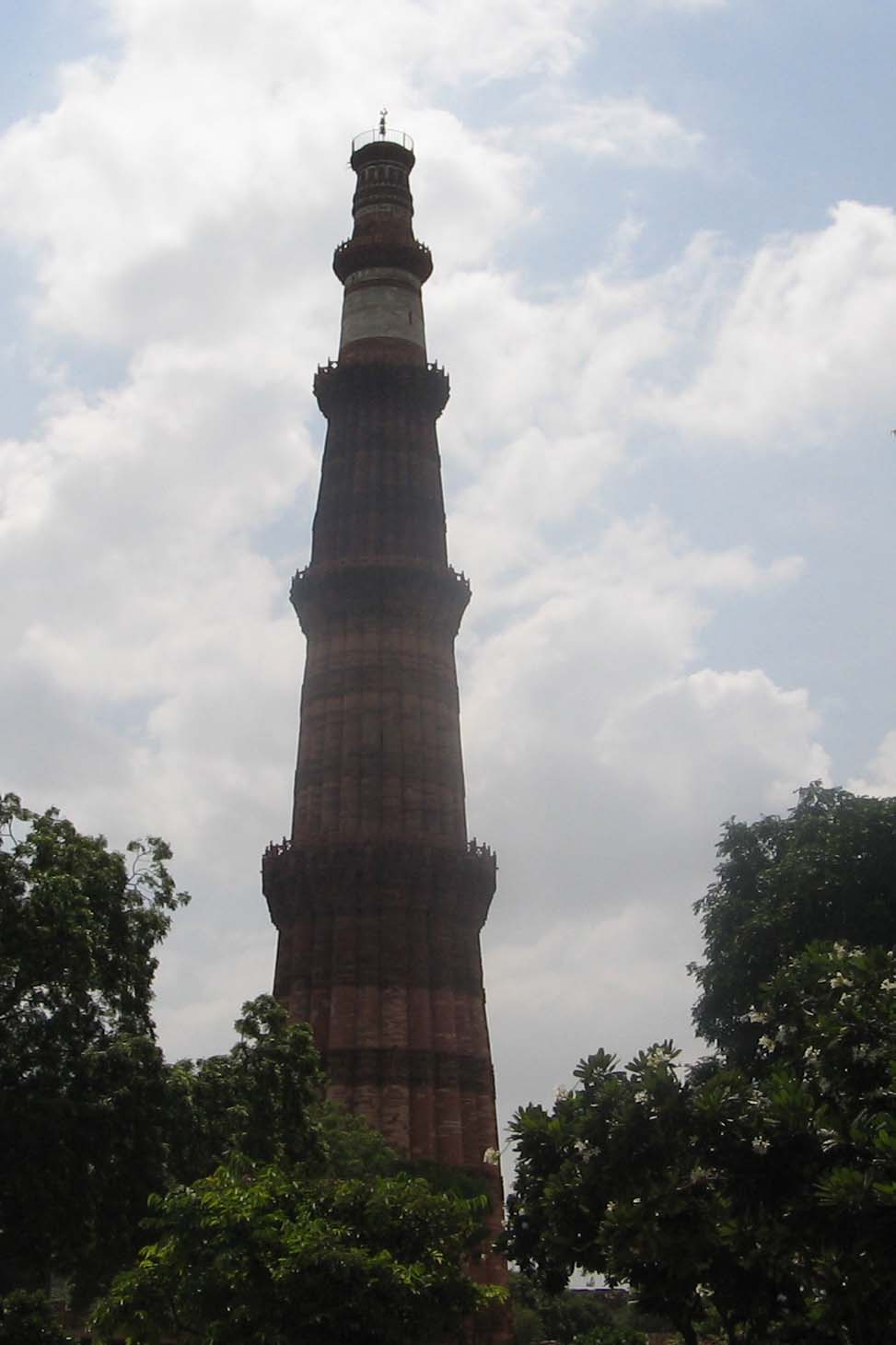
Qutb Minar

Deccan Herald in New Delhi now


Friday, December 9, 2011

ರಾಷ್ಟ್ರೀಯ ನಾಟಕೋತ್ಸವಕ್ಕೆ ಕರ್ಣಭಾರ


  • ರಾಷ್ಟ್ರೀಯ ನಾಟಕೋತ್ಸವಕ್ಕೆ ಕರ್ಣಭಾರ
    • Udayavani | Dec 08, 2011
      ಉಡುಪಿ : ದಿಲ್ಲಿಯ ರಾಷ್ಟ್ರೀಯ ನಾಟಕ ಶಾಲೆ ಆಯೋಜಿಸಿರುವ 14ನೇ 'ಭಾರತ್‌ ರಂಗ್‌ ಮಹೋತ್ಸವ್‌' ಕಾರ್ಯಕ್ರಮಕ್ಕೆ ಮಣಿಪಾಲದ ಸಂಗಮ ಕಲಾವಿದೆರ್‌ ಅವರ 'ಕರ್ಣಭಾರ' ನಾಟಕ ಆಯ್ಕೆಯಾಗಿದೆ.

      2012ರ ಜ. 8ರಿಂದ 22ರ ವರೆಗೆ ದೇಶದ ವಿವಿಧ ಭಾಗಗಳ ತಂಡಗಳಿಂದ ನಾಟಕ ಪ್ರದರ್ಶನ ನಡೆಯಲಿದೆ. ಇದರಲ್ಲಿ ಭಾಸ ಮಹಾಕವಿಯ ಅಭಜಾತ ಕರ್ಣಭಾರ ನಾಟಕವು ಖ್ಯಾತ ನಿರ್ದೇಶಕ ಡಾ| ಶ್ರೀಪಾದ ಭಟ್‌ ನಿರ್ದೇಶನದಲ್ಲಿ ಪ್ರದರ್ಶನಗೊಳ್ಳಲಿದೆ.

      ಇದೇ ಪ್ರಥಮ ಬಾರಿಗೆ ರಾಷ್ಟ್ರೀಯ ನಾಟಕ ಶಾಲೆಯಲ್ಲಿ ತುಳು ನಾಟಕ ಪ್ರದರ್ಶನ ಕಾಣಲಿದೆ. ಇದು ನಮ್ಮ ಸಂಸ್ಥೆಗೆ ಹೆಗ್ಗಳಿಕೆ. ರಂಗಭೂಮಿಯ ಪ್ರಯೋಗಶೀಲತೆಗೆ ನಾಂದಿ ಹಾಡಿದೆ ಎಂದು ಸಂಗಮ ಕಲಾವಿದೆರ್‌ ಸಂಘಟನೆಯ ಅಧ್ಯಕ್ಷ ನಿತ್ಯಾನಂದ ಶೆಟ್ಟಿಗಾರ್‌ ಪ್ರಕಟನೆಯಲ್ಲಿ ತಿಳಿಸಿದ್ದಾರೆ.

Kannada Sahitya Sammelana, Gangavathi


Tuesday, December 6, 2011

Delhi Kannada School - Golden Jubilee Celebrations

The Delhi Kannada Education Society (DKES) a registered society established in 1959 by founder President late Shri S V Krishna Murthy Rao, the then Deputy Chairman, Rajya Sabha inaugurated Delhi Kannada School in 1961.  The Society established School of Computer Science in 2003 which runs MCA course approved by AICTE. 

The Society takes immense pleasure in announcing that Delhi Kannada School has just completed 50 years of its valuable service and contributions towards education in the capital city of India-Delhi, since its inception on Vijaya Dashami Day in the year 1961.

The DKES, therefore, has already taken a step ahead by inaugurating Golden Jubilee functions on 17th October, 2010, with Sharada Pooja, felicitation to the first batch of the students, founder teachers and life members who were involved in the inauguration of the school.  We held year long functions including seminars, inter-school competitions, cultural programmes and programmes for Alumni of school.

Fifty years ago on this auspicious day, it formally opened with ten students on its roles. DKS began with one teacher-cum-principal along with a clerk to help him to set up the school in October 1961. In contrast, today DKS, after fifty years of its fruitful existence, has grown into a big school with about 1000 students on its roles and with more than sixty teachers, including staff taking care of various aspects of the School. No doubt, it was long journey for the DKS and this journey was facilitated by numerous enlightened, forward-looking and above all passionate Kannadigas.

The School is run in a co-educational system with more than 1000 students coming from various parts of Delhi. Though primacy in admission is given to Kannadigas, the students from other States, including Delhi are also admitted. The four languages taught in the School are Kannada, Hindi, Sanskrit and English. Though medium of instruction is English, Kannada is compulsorily taught from class I to V to all children with provision upto class XII as optional subject.  The School has maintained steady progress since beginning in both curricular and extra-curricular activities. The School children, with assistance of excellent teachers, have excelled in various activities. Delhi Kannada School is regarded as one of the best schools in its Zone.  The results of the School have also been consistently good.

The infrastructure of the School is excellent and it is being regularly updated. At present, there are about 40 class rooms. Besides these, there is a well-equipped library hall, a science lecture hall and separate laboratories for physics, chemistry and biology. There is a vast play ground for children to play which needs refurbishing. 

There is a provision for canteen and health clinic. Besides this, the School has several activities such as - house system, scouts and guides unit, art and painting, yoga and music teaching, debating houses and other facilities.

Though the above facilities have been realized, some are yet to be realized and it is hoped that these will take shape in future.  These initiatives need brief mention and these are:
The idea of expanding the area of School and its play ground is still in the process of realization.  If the vacant land adjacent to the School is made available this dream could be realized.  Successive Boards of Management have taken up this initiative and hopefully we will be able to get this additional land, subject to availability and as per existing Governmental norms and regulations;

Need to build additional class rooms, science labs and strengthen the existing infrastructure in the Golden Jubilee year by adding new furniture, computers and other learning equipments for children;

Construction of a well-equipped auditorium and activity hall; this would require huge resource mobilization and assistance from the Government of Karnataka and Delhi Government;

Equipping playground with all-weather Basket Ball and Badminton Courts;

Opening the branches of Delhi Kannada School at different parts of Delhi, (such as Dwarka/Janakpuri, Mayur Vihar and such other places as to be specified) to facilitate the children of Delhi Kannadigas;

Opening of a management and vocational institute to provide for job-oriented programmes.

With the co-operation of Hon’ble Members of Delhi Kannada Education Society, eminent Kannadigas, Govt. of Karnataka, Govt. of NCT of Delhi and General Public we are sure to achieve the aims of objectives of the society.

The School is organizing Golden Jubilee on 11.12.2011.